Media AI Watch
The disappearing thumb on Meet The Press.
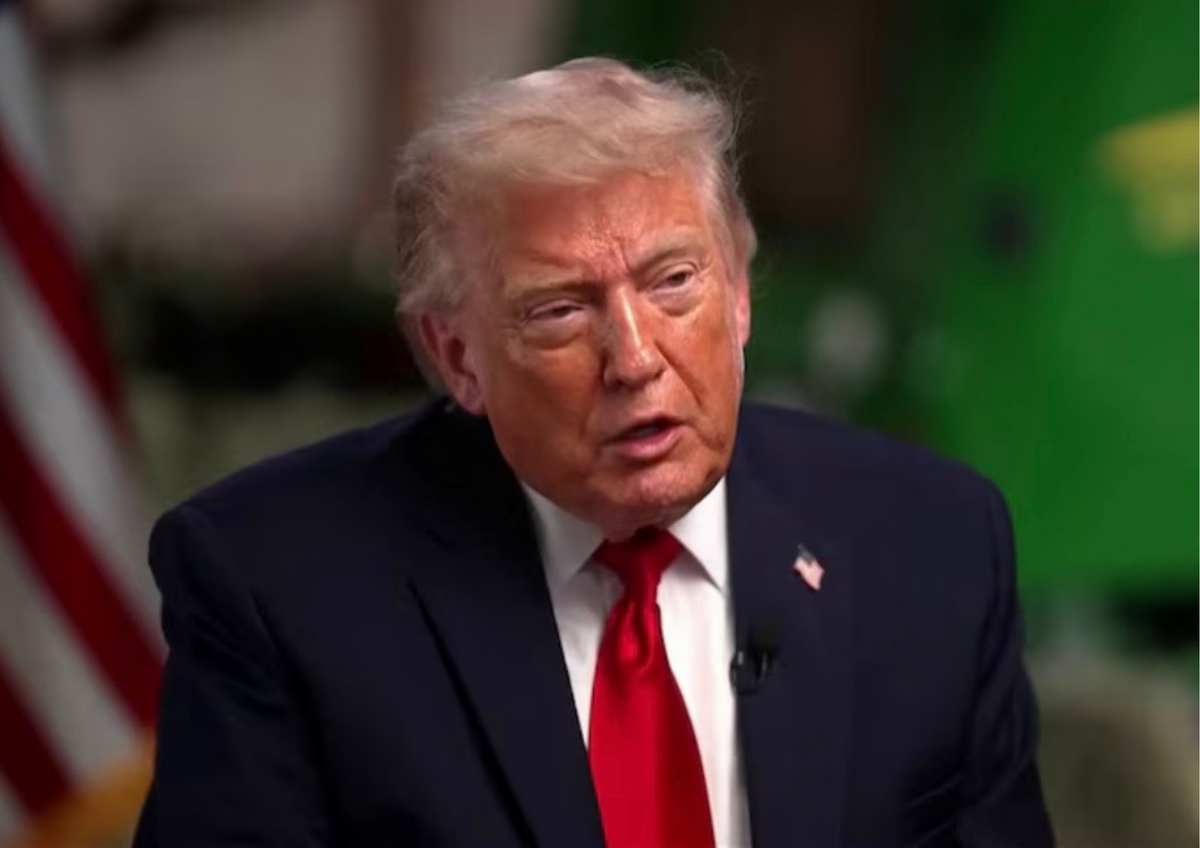
If you tune into a high-stakes political interview, your attention is naturally drawn to the drama. On the June 7, 2026 broadcast of NBC’s Meet The Press, the focus was on a tense exchange between President Donald Trump and moderator Kristen Welker.
But if you look past the political theater and slow down the footage, the details get weird.
Watch the original interview here. Watch my video breakdown here.
If you watch Trump’s hand closely as he says the phrase, “Come on. Let’s go.” you’ll notice the tip of his right thumb completely vanishes for a brief moment.
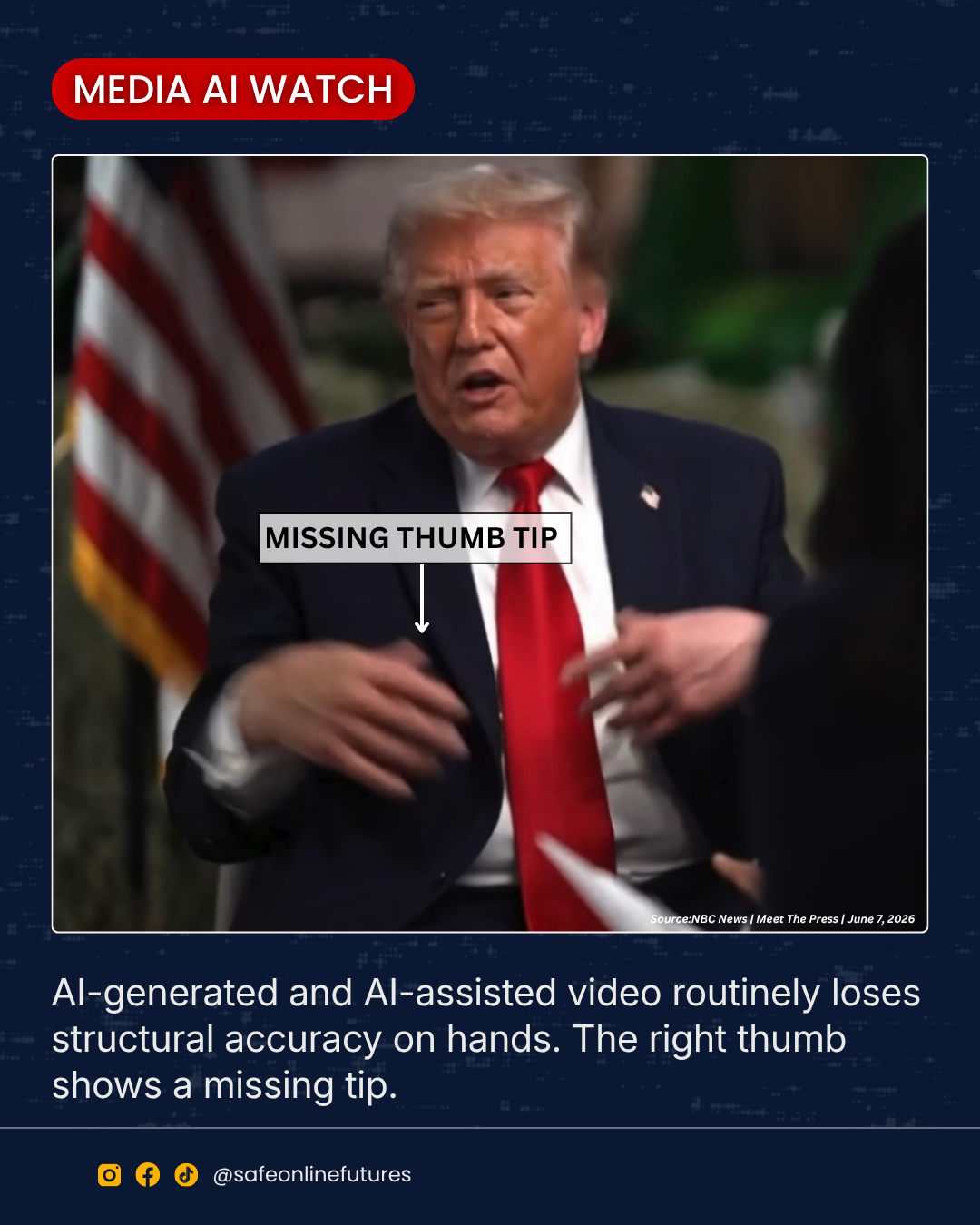
In the world of digital forensics, this isn’t just a quirky visual glitch. Finger and limb inconsistencies — where geometry suddenly warps, clips, or dissolves into itself — are among the most heavily documented artifacts of AI-generated or AI-composited video. We saw these exact types of structural anomalies in the viral video of the McDonald’s CEO (video breakdown here) and the Nebraska hantavirus quarantine influencer clip (video breakdown here).
To be absolutely clear: I am not claiming this specific interview is a deepfake. Without access to the raw camera files, proving AI generation definitively is nearly impossible for outside observers. It could be an incredibly bizarre, highly localized compression or encoding error.
But whether this specific clip is AI-altered isn’t actually the most urgent question we should be asking. The real issue is the profound vulnerability of our current information ecosystem.
Right now, our televisions, social media feeds, and news cycles are being quietly flooded with AI-assisted and AI-generated content. Yet, under current law, major broadcasters like NBC News have zero legal obligation to disclose if, when, or how AI has been integrated into their video production pipelines. There are no guardrails, no transparency mandates, and no universal disclosure requirements.
Why does this matter so much? Because we have to look at the underlying structures driving modern journalism. News corporations operate on an incentive structure built entirely around capturing and maintaining human attention. Attention drives clicks, views, and corporate profits.
AI is an incredibly powerful tool for streamlining media workflows and cutting production costs. But in an attention economy devoid of regulation, that same technology can easily be leveraged to subtly manipulate public perception, clean up awkward moments, or alter visual realities — all completely behind the scenes.
If we live in a media environment where we can no longer intuitively tell the difference between an encoding artifact and an algorithmic fabrication, and the institutions we rely on aren’t legally required to tell us the truth, how do we protect public trust?
We can’t solve the problem of synthetic media until we start demanding institutional accountability.
What did you see when you watched the clip? Let’s talk about it in the comments below.
If this piece helped you see what’s happening, share it with someone who should be paying attention. To stay ahead of how AI is reshaping editorial trust, subscribe below.