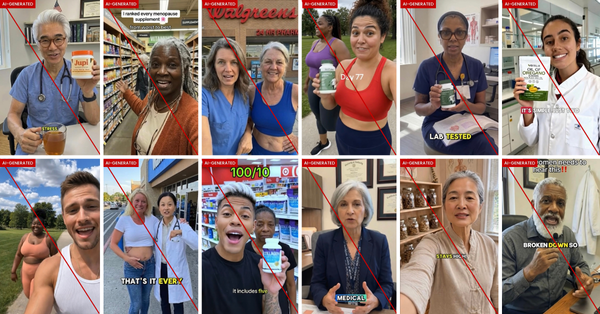
AI Can Steal Your Voice — And There Are Virtually No Laws to Stop It
If hearing someone’s voice isn’t proof anymore… what is?
Your phone rings. It's your daughter, sobbing. She's been in a terrible accident and needs you to wire money for the hospital — right now, before it's too late. Her voice shakes with terror as she begs you to help.
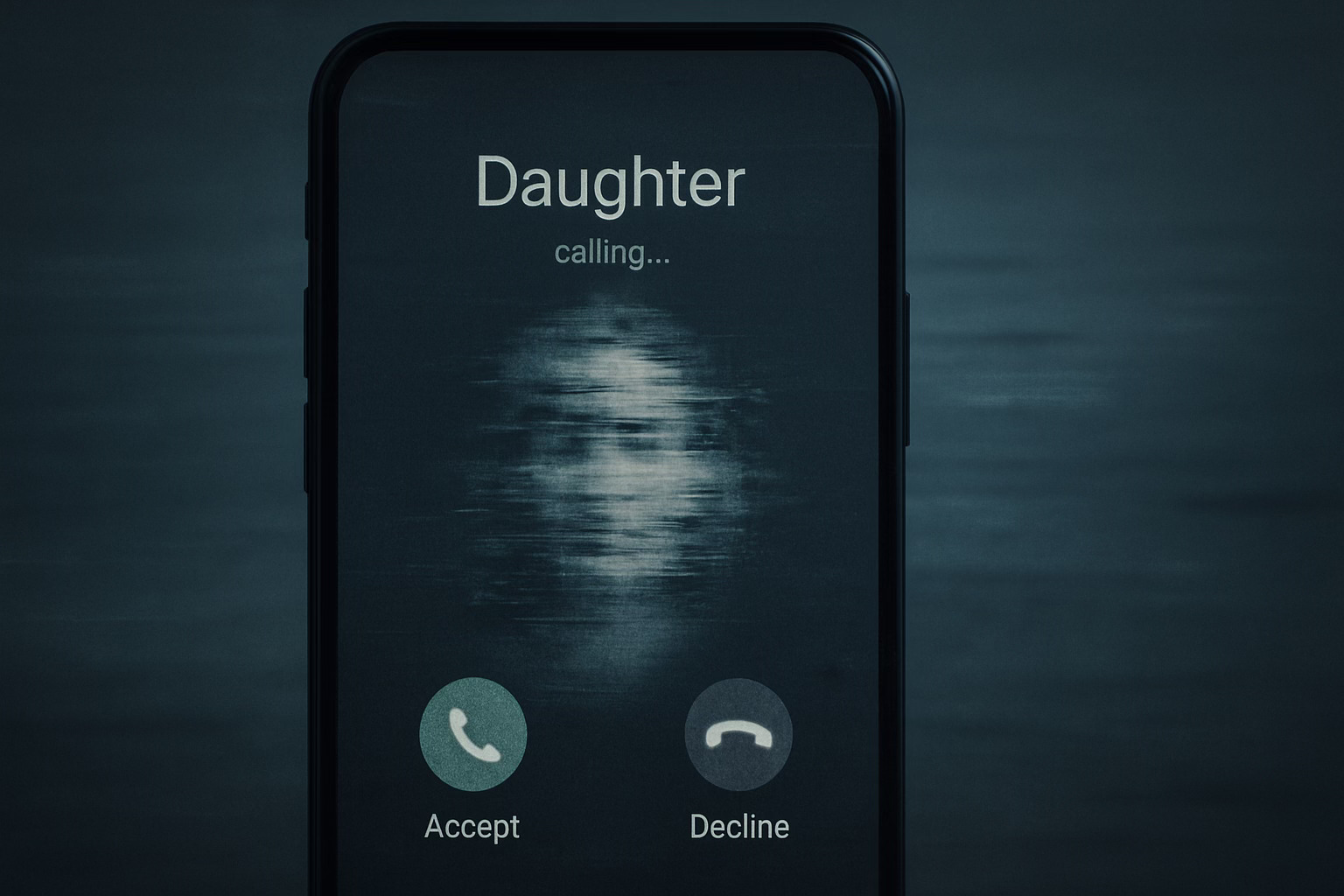
You'd do anything for your child. So you act fast.
But it wasn't your daughter. It was artificial intelligence, using a perfect replica of her voice to steal your money.
Here's the hard truth: Hearing someone's voice is no longer proof they're real.
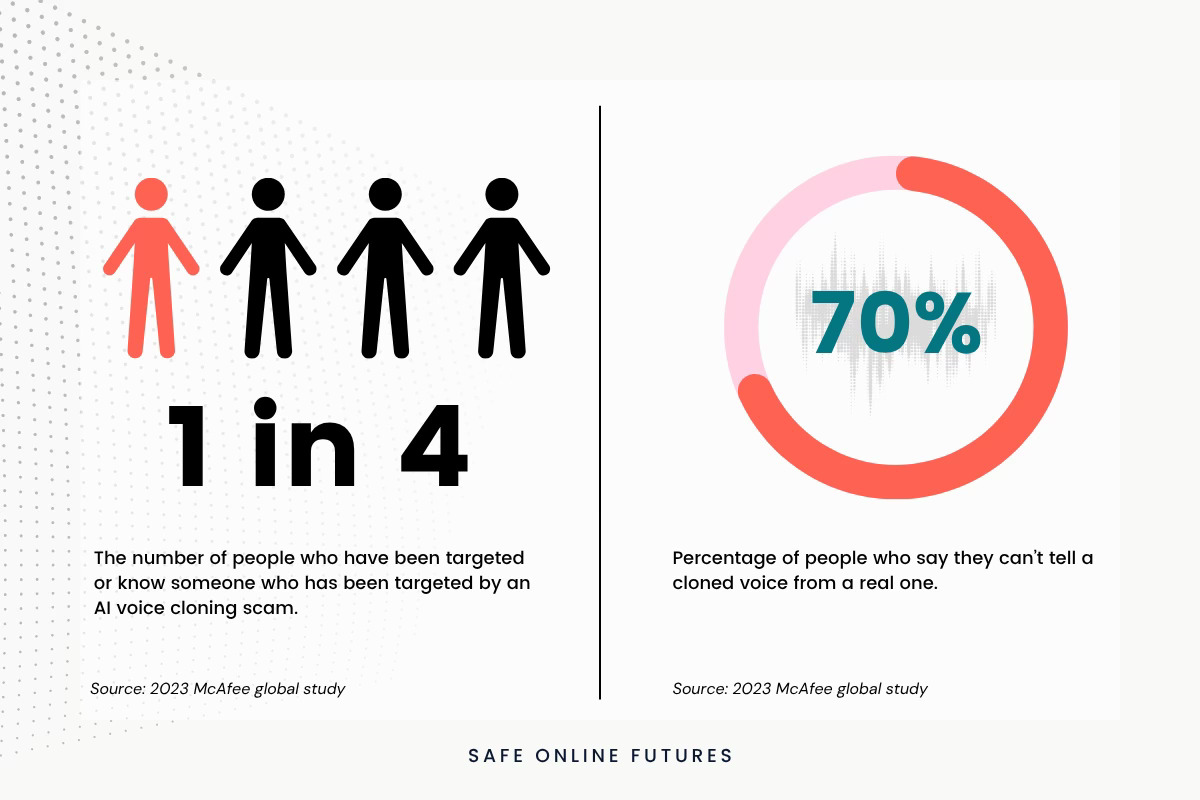
This isn't some distant threat from a sci-fi movie. It's happening today, and according to cybersecurity company McAfee, one in four people have either experienced an AI voice scam firsthand or know someone who has. What's more alarming? Seven out of ten people admit they couldn't tell the difference between a real voice and a fake one.
The Technology That's Fooling Everyone
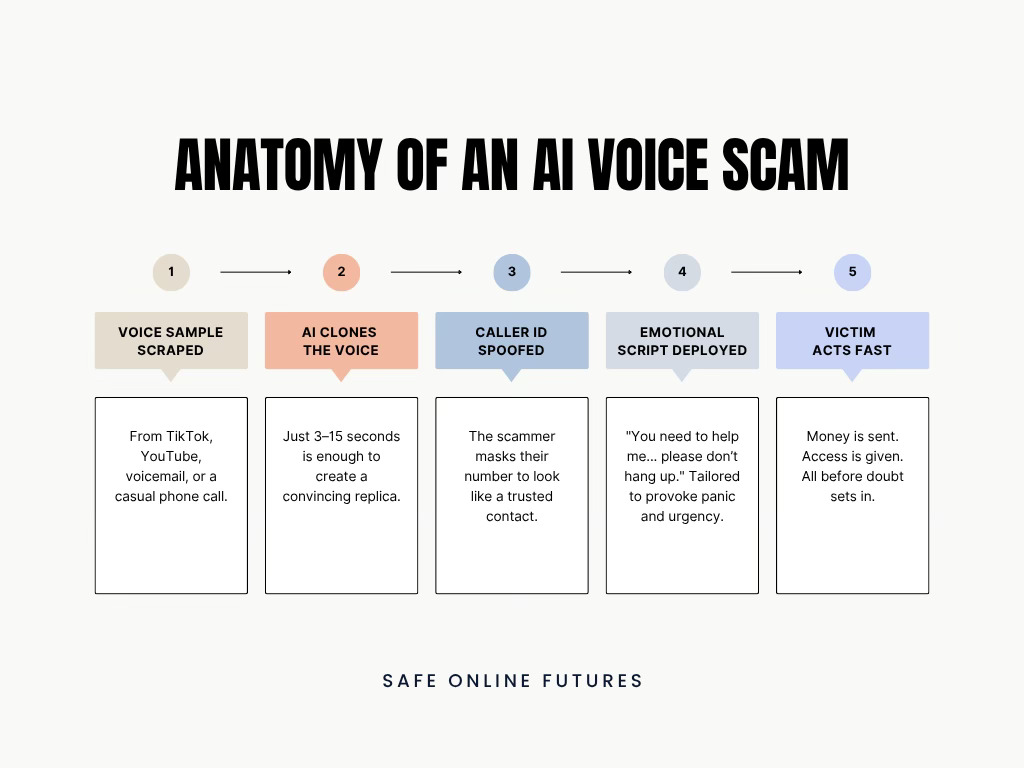
Voice cloning technology has become frighteningly good and disturbingly accessible. Scammers now need just 3 to 15 seconds of someone's voice — pulled from a voicemail, social media video, or phone call — to create a convincing replica. With that tiny sample, they can make their target say anything.
The worst part? There are virtually no laws stopping them.
Recent tests of voice-cloning software showed that researchers could easily bypass weak security measures and create highly realistic voice prints from brief audio clips. The technology that was once limited to Hollywood studios is now in the hands of anyone with internet access and malicious intent.
Even the Creator Is Worried
Sam Altman, CEO of OpenAI and the mind behind ChatGPT, has issued stark warnings about the fraud crisis his own technology has enabled. He's particularly concerned about financial institutions that still rely on voice authentication: "A thing that terrifies me is apparently there are still some financial institutions that will accept a voice print as authentication. That is a crazy thing to still be doing."
Altman predicts the problem will only get worse as the technology advances beyond voice to include realistic video calls and FaceTime impersonations that are "indistinguishable from reality."
When Fake Voices Target Real Leaders
The scope of this problem extends far beyond individual scams. In July, someone used AI to clone Secretary of State Marco Rubio's voice and left convincing voicemails on Signal for foreign officials, a state governor, and a member of Congress. The impersonator also sent text messages attempting to lure targets into further communication on the encrypted messaging platform.
This followed an earlier incident where a bad actor gained access to White House Chief of Staff Susie Wiles' phone account, using her identity to reach out to governors, senators, and corporate executives. These aren't isolated pranks — they represent a new form of espionage that targets the highest levels of government.
The 2024 New Hampshire primary showed how voice cloning can disrupt democracy itself. Voters received robocalls featuring a cloned version of President Biden's voice, telling Democrats to skip the primary election. That single incident resulted in a $6 million fine, federal criminal charges, and prompted the FCC to ban AI-generated robocalls entirely.
The Real Battlefield: Your Family
While high-profile cases grab headlines, everyday families face the greatest danger. Grandparents receive frantic calls from "grandchildren" claiming to be in jail. Parents get terrifying kidnapping demands with what sounds like their child crying in the background. The FBI has documented a surge in these emotional manipulation scams, where criminals combine voice cloning with stolen personal information to create devastatingly convincing scenarios.
The entertainment industry offers another warning sign. In 2023, an AI-generated song mimicking Drake and The Weeknd went viral, racking up millions of plays before platforms realized both artists were completely fake. Neither musician authorized the track, yet it fooled fans, journalists, and streaming services alike.
Common Voice Cloning Scams to Watch For
Emergency Family Calls: Your "child" or "grandchild" calls in a panic, claiming they've been arrested, injured, or kidnapped and need immediate financial help. Some scammers take this further by claiming they've abducted your family member, complete with realistic crying or pleading sounds in the background.
Account Takeovers: Scammers clone your voice to impersonate you with banks and financial institutions, attempting to access accounts or authorize transfers.
Workplace Fraud: Employees receive urgent calls from fake "executives" demanding immediate wire transfers or sensitive login credentials.
Tech Support Impersonation: Fraudsters pose as representatives from major companies like Apple, Microsoft, or your bank, using familiar voices to pressure victims into sharing access or financial information.
Celebrity Endorsement Scams: Criminals use cloned voices of public figures to promote fake investment opportunities or fraudulent products.
How to Protect Yourself and Your Family
You can't stop this technology from existing, but you can make yourself a harder target:
Create a Family Safe Word: Establish a secret code word or phrase that only your inner circle knows. Use it to verify emergency calls. This simple step has already saved families from falling victim to scams.
Always Verify Before Acting: Scammers count on urgency to cloud your judgment. If you receive a disturbing call, hang up and contact the person directly using a number you know is real. Never take action based solely on a voice, no matter how convincing.
Be Smart About What You Share Online: Your voice is likely already accessible through social media videos, podcasts, voicemails, or online content. Consider limiting what you post publicly.
Educate Vulnerable Family Members: Talk to older adults and children about these scams. Criminals often target those who are less familiar with technology or more emotionally vulnerable.
Don't Trust Caller ID: Scammers can easily fake phone numbers and contact names. Even if your screen shows "Mom" or "IRS," approach unexpected calls with caution.
Move Beyond Voice Authentication: Wherever possible, use passwords and two-factor authentication instead of biometric or voice-based security. Your voiceprint is no longer a reliable form of identification.
Report Suspicious Activity: File reports with the FTC or local authorities when you encounter potential scams. This helps track broader criminal operations.
The Legal Landscape Is Playing Catch-Up
Currently, there's no comprehensive federal law protecting Americans from having their voices cloned and weaponized. If someone steals your voice and uses it to scam others, there's a good chance no one will face consequences.
However, some states are beginning to act. Pennsylvania became the first state to explicitly criminalize the use of AI-generated voices, images, or videos in fraud schemes, making it a felony to use synthetic media for deception. Illinois and Washington offer some protection under biometric privacy laws that treat voiceprints as personally identifiable information.
The FCC's ban on AI-generated robocalls provides another avenue for enforcement, giving state attorneys general new tools to pursue voice cloning scammers who use phone systems.
Still, the legal framework remains fragmented and inconsistent. Most victims face a confusing maze of privacy laws, limited prosecutorial interest, and unclear statutes — especially when scams don't fit narrow definitions of fraud or impersonation.
What Happens Next
This technology will continue advancing whether we're ready or not. What we need now is action:
Comprehensive Regulations: Using voice cloning for fraud, manipulation, or political interference must be criminalized at the federal level.
Mandatory Disclosure: AI-generated content, especially impersonation, should be clearly labeled and watermarked.
Public Awareness: People need to understand that hearing a voice is no longer proof that the person is real.
The criminals using this technology aren't waiting for lawmakers to catch up. They're already targeting your family, your workplace, and your government. The question isn't whether voice cloning will affect your life — it's whether you'll be prepared when it does.
Your voice is no longer just yours. But with the right knowledge and precautions, you can protect yourself and the people you care about from those who would steal it.