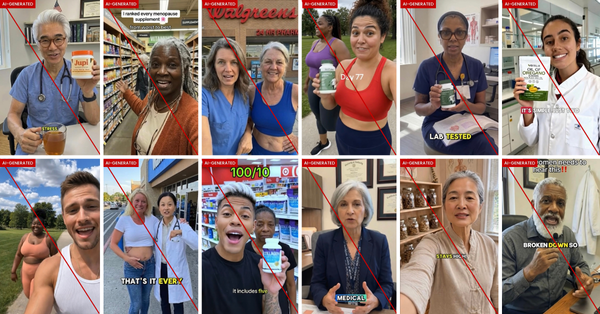
AI Just Got Scary Good at Faking Video. Here's What That Means for You.
It's already built into one of the most popular video apps on the planet. And there are no rules.
If you use TikTok, scroll Instagram, or share videos with friends and family, what just happened in the AI world last week directly affects you.
A Chinese tech company called ByteDance — the same company that owns TikTok — just released an AI video tool called Seedance 2.0. Within days, a fake video of Brad Pitt and Tom Cruise fistfighting, complete with fabricated dialogue about Jeffrey Epstein, racked up 3.2 million views on X (formerly Twitter). It looked like it was shot by a professional film crew. It took a two-sentence prompt to make. (Watch it here — but know before you click: what you're about to see is entirely AI-generated. None of it happened.)
This isn’t the blurry, glitchy AI video you’ve seen before. This is something categorically different — convincing enough to fool people who aren’t even looking for a fake.
Here’s the part that should concern you: Seedance 2.0 has already been integrated into CapCut, the free video editor used by millions of TikTok creators worldwide. Right now, access is frozen because ByteDance is facing a legal storm — Disney, Paramount, Sony, and Netflix have all sent cease-and-desist letters in the past week alone. But that’s a legal fight over copyright. Nobody is fighting to protect the rest of us from a world where photorealistic fake video of any person, saying or doing anything, is a few taps away on a free app.
Hollywood's own actors' union called it a violation of 'law, ethics, industry standards and basic principles of consent.' ByteDance’s response? A vague promise to “strengthen safeguards.” That’s not a policy. It’s a press statement.
My take: Hollywood will lawyer up and eventually cut deals. That’s what Hollywood does. But there are no lawyers coming for the misinformation, the deepfakes, and the slow erosion of our ability to trust what we see. No regulations. No accountability. Plenty of profit motive. This isn’t coming — it’s already here.
I’m going deeper on all of this in a feature piece this weekend. But I want to hear from you first: When you watch a video online, how much do you actually trust what you’re seeing?
Stay informed on the tech stories that affect your everyday life. Subscribe to Safe Online Futures on Substack.