FAKE FACE, REAL AGENDA
What the Boulder “Attack Suspect” Teaches Us About AI, the Media, and Manufactured Fear
Let’s talk about a story that’s been moving fast—but not enough people are asking the right questions about it.
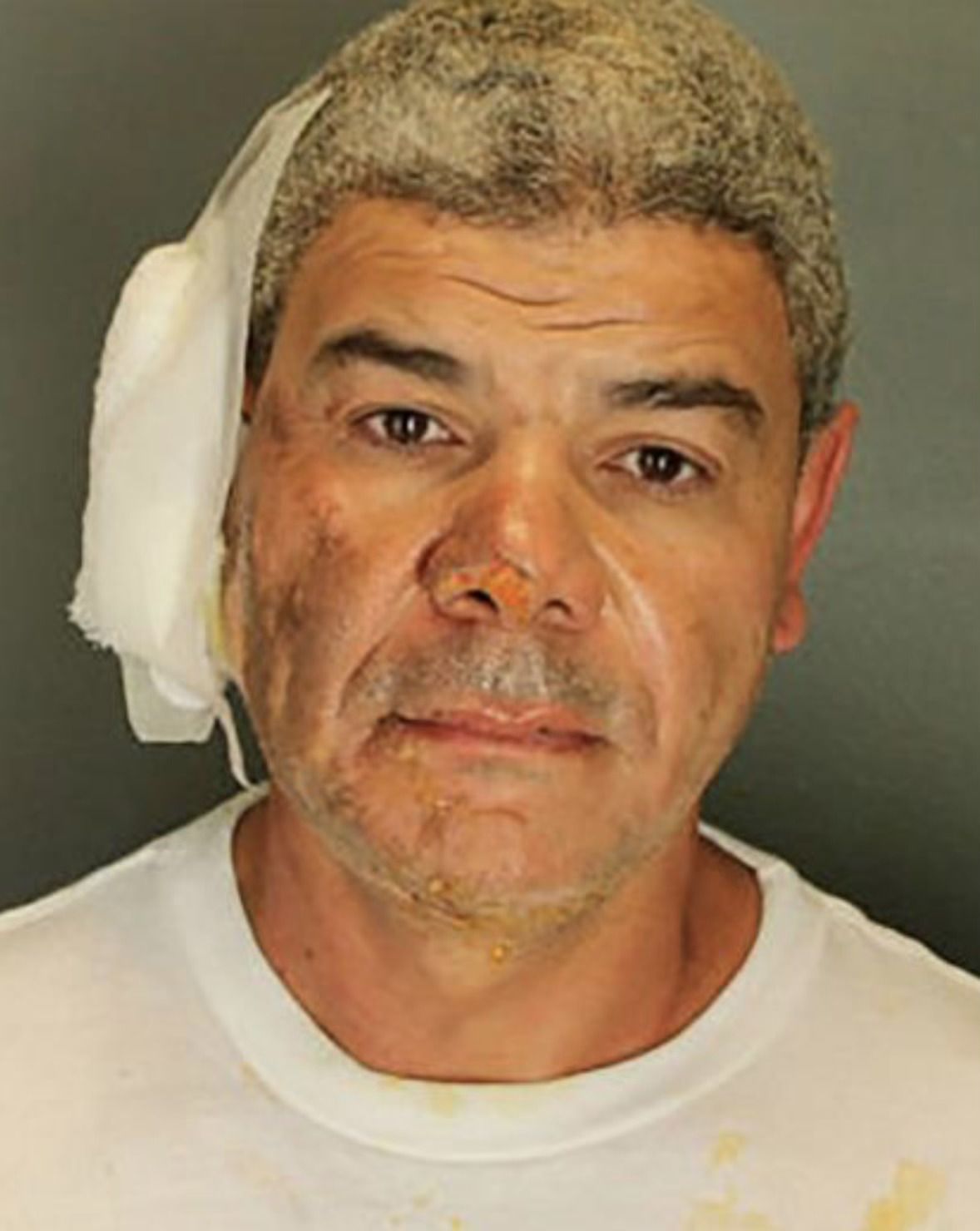
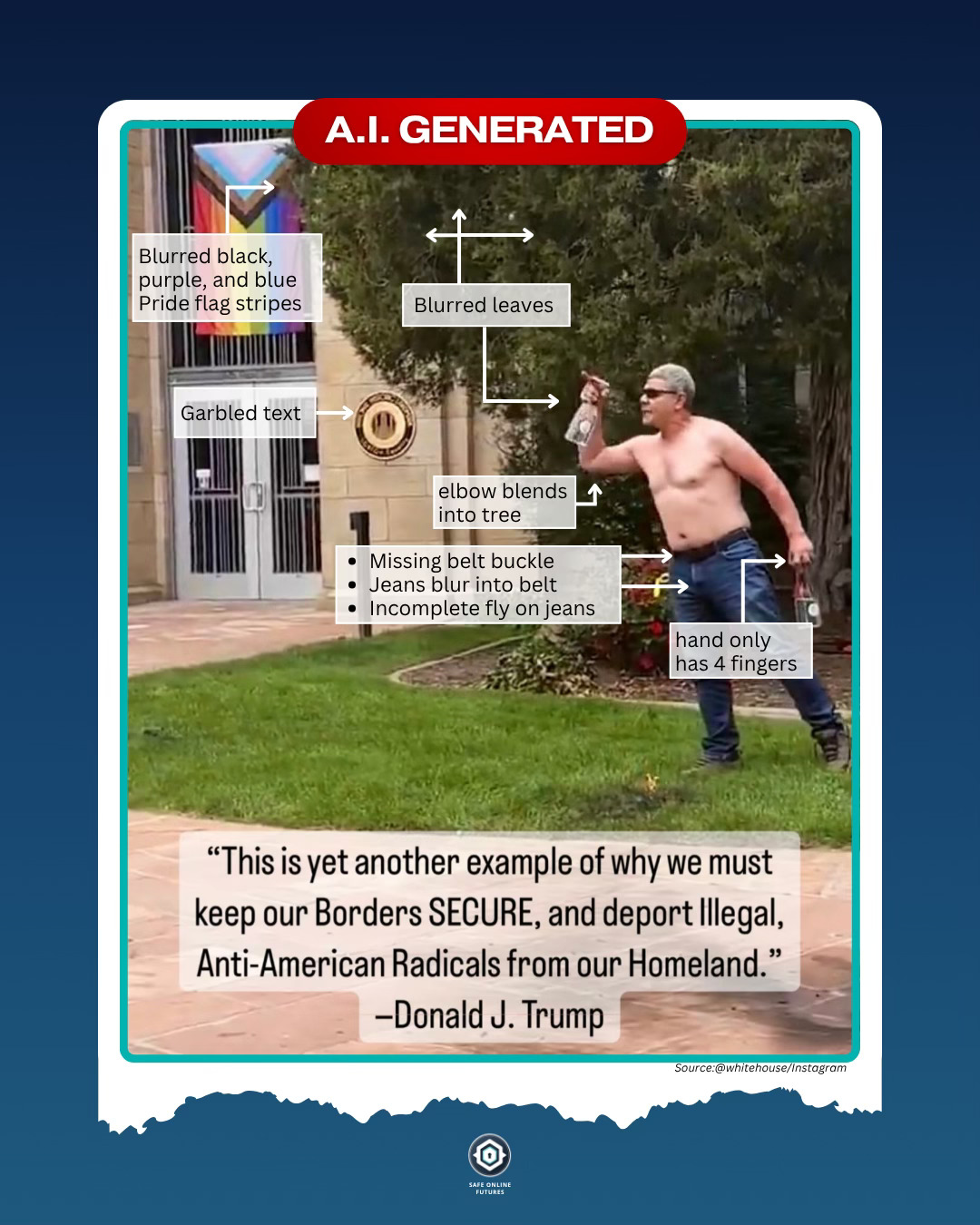
Earlier this week, a photo started making the rounds. First, it was presented as a mugshot of the man behind the Boulder, Colorado attack. Then, a still frame from a video of him—shirtless, gesturing angrily—was posted by the White House’s official Instagram account, overlaid with a quote from Donald Trump demanding we “deport illegal, Anti-American Radicals.”
Within hours, it was everywhere. Major media outlets picked it up. The narrative practically wrote itself: foreign man, overstayed visa, violent act, blame Biden’s “open borders.”
But here’s what they didn’t tell you. That man might not even be real.
Signs of a Synthetic Setup
The photo—actually, both photos—show glaring signs of AI generation. These aren’t just minor glitches.
We’re talking about:
- A hand with only four fingers
- An elbow that disappears into a tree
- Jeans that blur into the belt with no buckle
- Background text that’s completely unreadable
- A Pride flag with distorted stripes
- Leaves that melt into pixels
These are all common red flags in AI-generated images. If you’ve been tracking this space, you recognize them immediately.
But most people haven’t been trained to see it. And the media? They chose not to look.
So Why Run It?
Because it fits. Because it sells. Because in today’s media landscape, fear equals profit.
Outrage drives clicks. Outrage drives engagement. And AI-generated content, especially when it taps into cultural flashpoints like immigration or public safety, is cheap, fast, and emotionally explosive.
So instead of pausing to ask “Is this authentic?”, media outlets leaned in. They amplified the story. They helped sell a narrative that may have been entirely synthetic.
This is the attention economy at work. And it's not just distorting our understanding of events—it's actively shaping public opinion on a mass scale.
This Is How Narrative Control Works Now
Let me break it down as simply as I can.
AI-generated media + media amplification + political opportunism = weaponized narrative
The Boulder case is a perfect example:
- An image that looks just real enough to escape casual scrutiny
- A villain that fits the script—angry, foreign, radical
- A quote from Trump to anchor it emotionally
- The White House’s account pushing it out officially
- Newsrooms running with it without verifying the source or image integrity
And the public? We see the image, we hear the story, and we assume it’s true. Because that’s what we’ve been trained to do.
AI Doesn’t Need to Fool Everyone. Just Enough.
Here’s the thing: AI-generated propaganda doesn’t need to be perfect. It just needs to feel true enough to reinforce what you already suspect.
This is how it works:
- If you already fear immigration, it confirms that fear
- If you already distrust Biden’s border policies, it fuels that fire
- If you already think “they’re hiding something,” it makes you feel vindicated
This is called confirmation bias—your brain’s habit of believing what feels familiar, not necessarily what’s true.
And AI is designed to exploit that. It builds synthetic stories that slip right into your belief system.
As computer science professor Subbarao Kambhampati put it:
“You lull people into not double-checking. Then you are shifted, little by little, from reality.”
Let that sink in.
The Real Threat Isn’t the “Suspect.” It’s the System.
This isn’t a one-off.
It’s a playbook—one we’re going to see used more and more as elections approach and tensions rise.
And it works because:
- The public doesn’t know how to spot AI artifacts
- The media doesn’t want to interrupt a juicy narrative
- And those in power are more than willing to use synthetic fear to justify real policies
What’s at stake isn’t just the truth of this one photo. It’s our collective ability to know what’s real at all.
What You Can Do (And Why It Matters)
We’re not helpless. But we do have to be awake.
Here’s where to start:
- Don’t accept images at face value—especially when they confirm a political point.
Ask: Who benefits from me believing this? - Learn the signs of AI generation.
Warped hands, blurred backgrounds, unreadable text—these are red flags. - Question repetition.
If the same story pops up across news, government, and social media with no variation or skepticism, pause. - Stop sharing before you verify.
If something feels too perfect, it probably is.
And most importantly: talk about this. Share what you know. Help others see what’s happening.
This is how we push back.
The Bigger Picture
The Boulder attack suspect may go down in headlines as a symbol of border policy failure.
But if this image is what it appears to be—synthetic, AI-generated, and strategically deployed—then we’re not looking at a suspect. We’re looking at a scapegoat made out of pixels.
A character in a narrative designed to scare you. Not inform you. Not protect you. Just to control you.
That’s what narrative warfare looks like in 2025.
And if we don’t get smarter, we’ll keep falling for it—one fake face at a time.
Subscribe for more on AI-fueled propaganda, deepfake deception, and how to stay grounded in reality in the age of synthetic media.