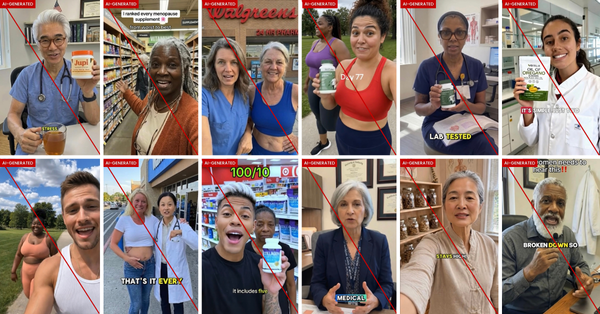
How AI Is Rewriting Reality in Real Time
From bot accounts to AI-generated memes, the information shaping your beliefs may not be coming from real people—or real sources. (Part 1)
What if the stories filling your feed weren’t there by accident? What if they were designed to be there—created, selected, and amplified by artificial intelligence to guide what you talk about, how you feel, and who you trust?
This isn’t science fiction. It’s happening right now.
Governments, corporations, and influencers are using AI to shape public opinion at scale. Not with facts. With volume. With repetition. With content crafted or curated by algorithms that don’t care what’s true—only what gets attention.
And it’s not always obvious. In fact, that’s the point.
How AI Shapes the Narrative
Most social platforms are already run by AI. These systems decide what you see and what you don’t, based on what will keep you scrolling. They push content that provokes, confirms your biases, or grabs your emotions—outrage, fear, pride, disgust.
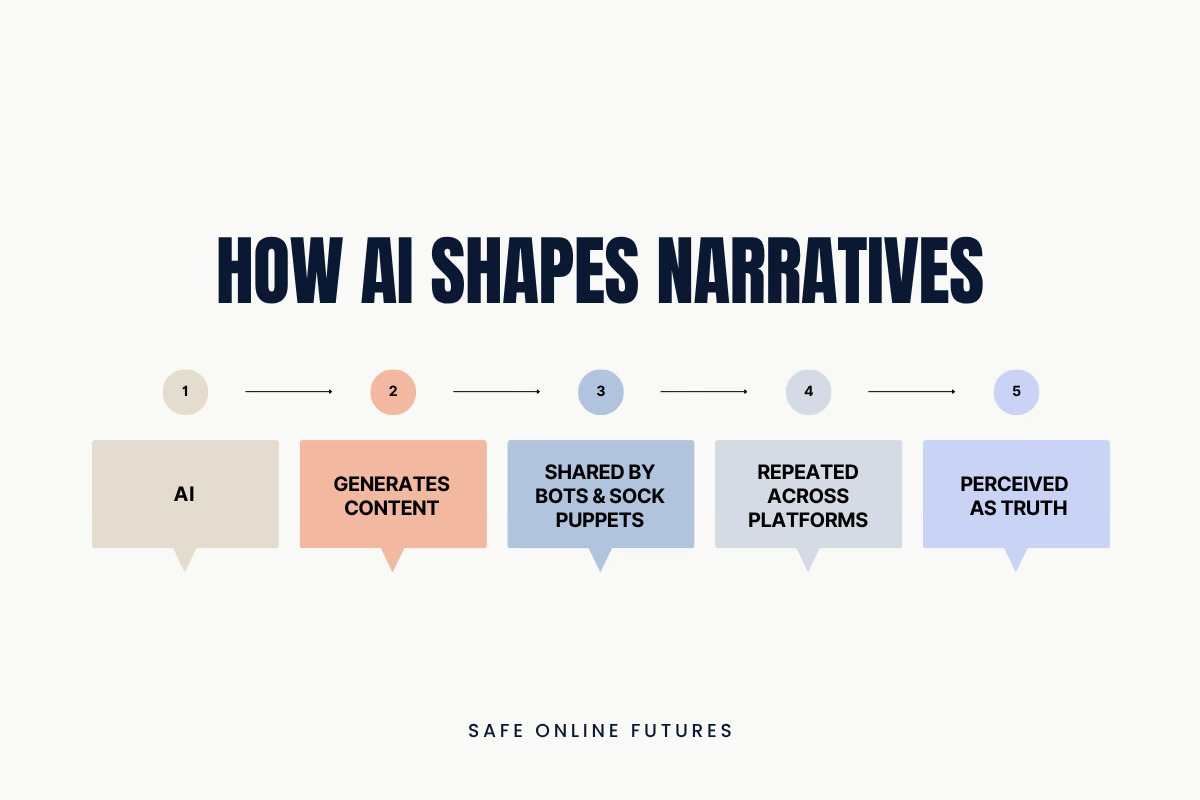
But AI doesn’t just show you stuff. Increasingly, it’s generating it. Articles, comments, memes, even videos. Some of it real. Some of it half-true. Some of it entirely made up.
That content can be used to build or bend public perception. To distract. To mislead. To manipulate.
The Psychology Hack: Repetition Works
There’s a well-documented psychological glitch called the Illusory Truth Effect. It means the more often you hear something—even if it’s false—the more likely you are to believe it.
Donald Trump understood this when he said:
“If you say it long enough, hard enough, often enough, people will start to believe it.”
Now imagine an AI doing exactly that. Over and over. Through fake accounts. Auto-generated posts. AI-created memes. It floods your digital space until the lie starts to feel like a fact.
Documented Tactics in Use
This isn’t theory. We have receipts.
- Pro-Trump bot networks were uncovered by Cyabra in 2024. Thousands of fake accounts flooded X (formerly Twitter) with coordinated attacks on Trump’s rivals and praise for Trump. Many of the accounts used AI-generated profile photos. They weren't real people—but their influence was.
- Nancy Mace, a Republican Congresswoman, was accused by former staff of directing them to create fake accounts to boost her image and attack critics. One political consultant said she even coded bots herself. She denies the claims.
- In Russia’s 2024 bot farm operation, AI-generated personas posed as Americans to spread Kremlin-approved talking points online. These accounts looked real, but were puppets controlled by foreign agents.
- An Israeli firm known as Team Jorge reportedly manipulated dozens of elections by using AI-powered software to run fake accounts and spread disinformation on command.
These are just the ones we know about.
Why They Do It
Because it works.
Narrative control isn’t about winning arguments. It’s about flooding the conversation until your version of the story becomes the only one people see.
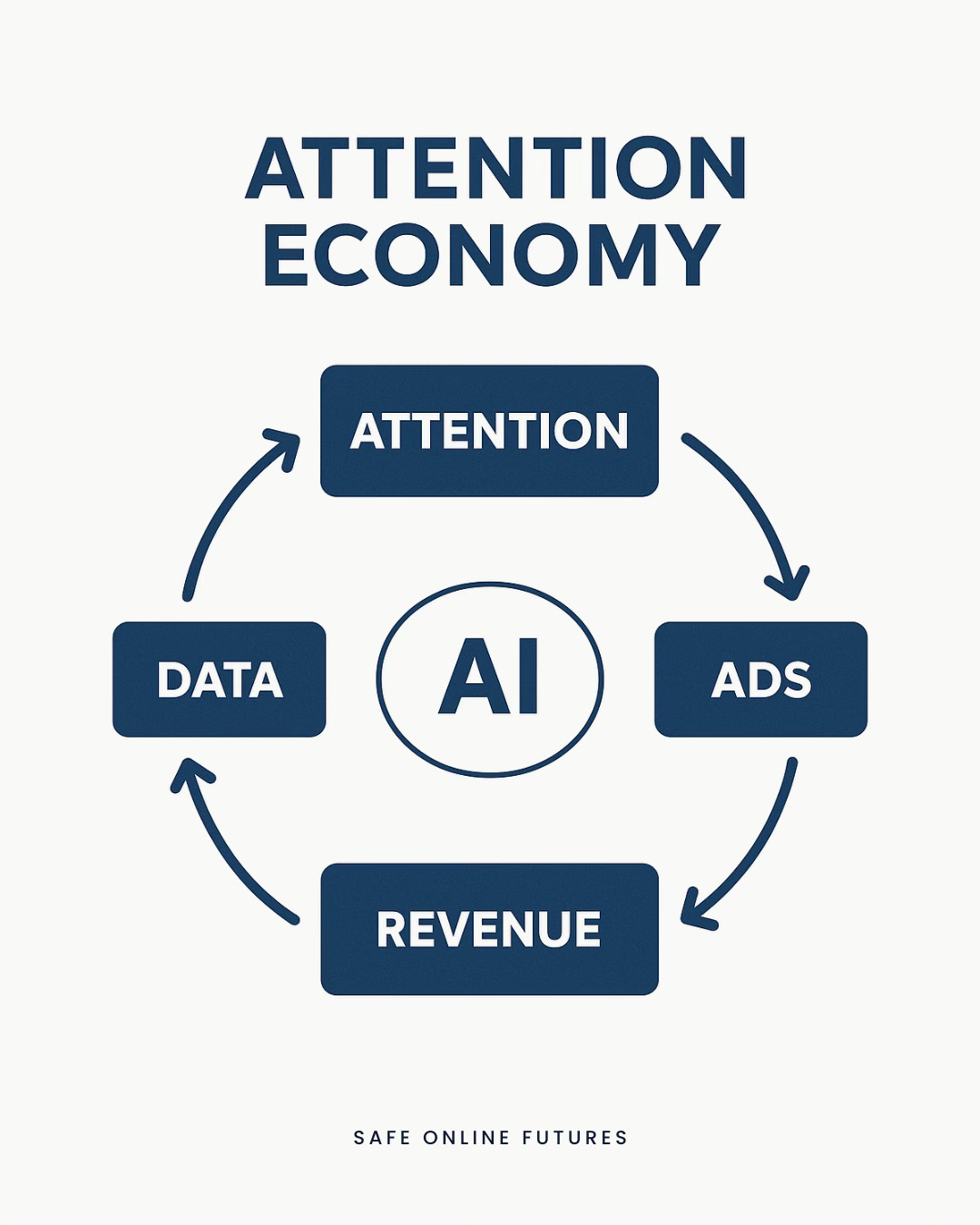
But there’s another layer here: the Attention Economy.
Online, attention is currency. Platforms profit when you stay hooked. Politicians gain when their message dominates. Influencers grow when they go viral. Everyone’s fighting for your time, your clicks, your outrage.
AI helps them win that fight. It can test and tweak content at lightning speed. It can learn what images, phrases, or emotions keep you engaged—and it can generate more of that content instantly.
The result? Feeds optimized for persuasion, not truth.
Memes, Feeds, and Fake Consensus
AI isn’t just making articles. It’s making memes. Short, shareable, and often persuasive. The goal isn’t to inform—it’s to nudge. To repeat a message in a way that feels funny, cool, or familiar.
The more you see it, the more it sticks. The more it sticks, the more it feels true.
Over time, you start seeing the same message, everywhere, from accounts that look unrelated. That’s not organic. That’s called astroturfing—when fake grassroots support is manufactured to look like real consensus.
And once you’re surrounded by those voices, you’re in an echo chamber—a space where only certain ideas get repeated, and all others are pushed out.
This week, I’m breaking this all down across social media with short explainers, tools, and examples to help you stay sharp. Follow @safeonlinefutures on Facebook, Instagram, and TikTok.
Next week, I’ll be breaking down how AI is being used inside newsrooms—sometimes openly, often quietly—to shape the headlines we’re supposed to trust.
But here’s what matters now: AI isn’t just editing the story. It’s deciding which story gets told. And that should worry all of us.