Inside the Labubu AI Manipulation Campaign
How brands use AI to create fake viral moments that drive real profits
Brands aren't just selling products anymore — they're manufacturing controversies using AI-generated content, coordinated bot networks, and fabricated scandals. Every viral panic, every "organic" outrage, every seemingly spontaneous cultural moment becomes a calculated experiment where your reactions to artificial content are recorded, analyzed, and weaponized to manipulate you more effectively next time.
What you think is organic viral content is often fabricated manipulation designed to separate you from your money. You never agreed to be the test subject.
The Labubu Phenomenon: Controversy by Design
Take Labubu — a mischievous toy with a sharp-toothed grin that exploded in popularity during 2024. As Trump's tariffs took effect in 2025, analysts began calling Labubu "tariff proof" — so desirable that trade restrictions couldn't dent consumer demand. Pop Mart, its parent company, had generated $410 million from Labubu in 2024 alone, helping reach $1.81 billion in total revenue.
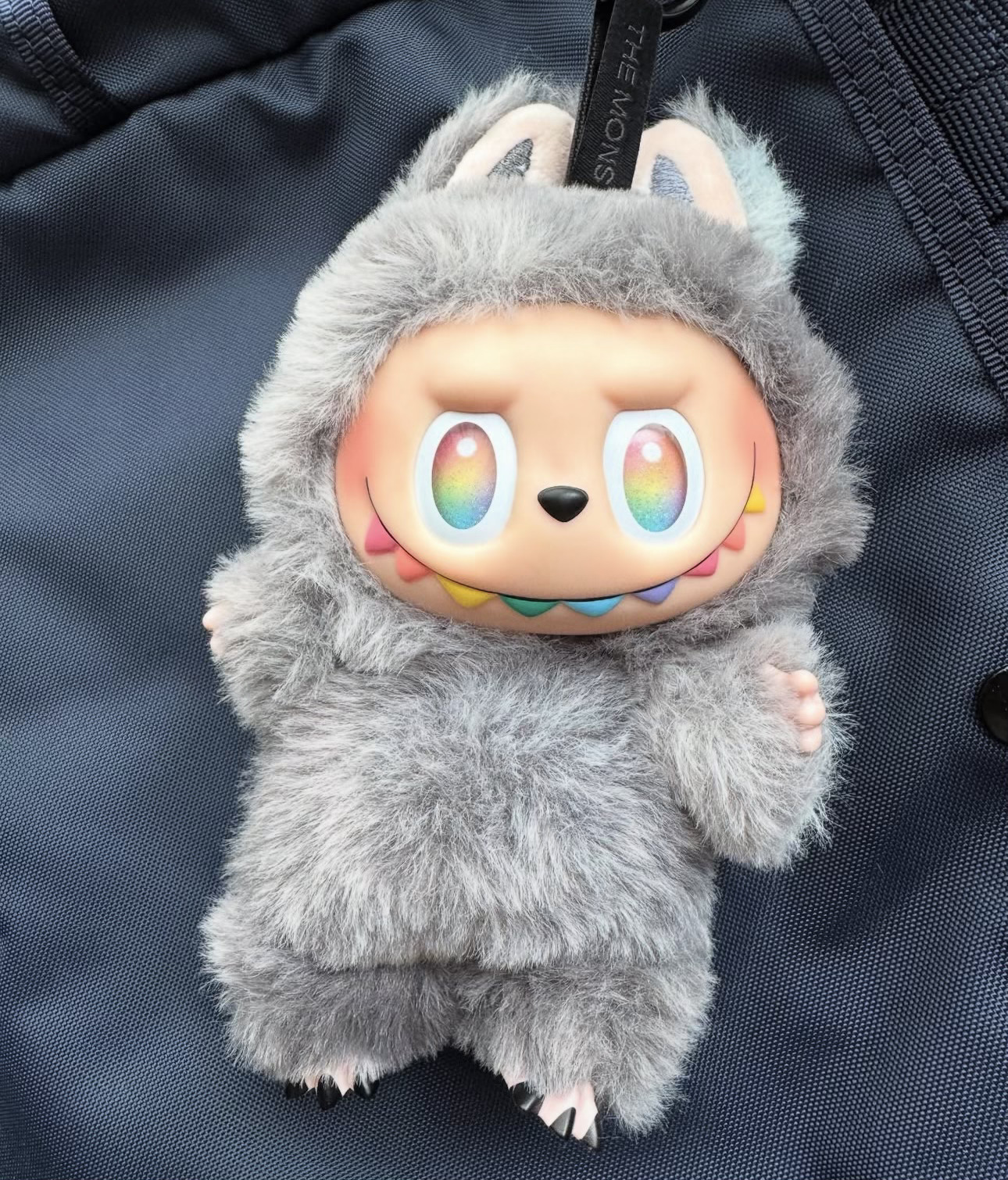
But Labubu didn't just sell toys. It manufactured controversy.
The campaign unfolded across multiple fronts: A parade of A-list celebrities including Rihanna, Dua Lipa, Kim Kardashian, and Blackpink's Lisa began appearing with the dolls, giving the toys instant cultural legitimacy. Social media users compared them to Pazuzu, the demon from The Exorcist. Spiritual influencers spread AI-generated "evidence" of supernatural connections. Christian TikTokers warned the dolls were cursed. Mainstream media from Times of India to NewsNation amplified the panic. Even Pop Mart played along, joking about a "supernatural recall" on April Fool's Day.
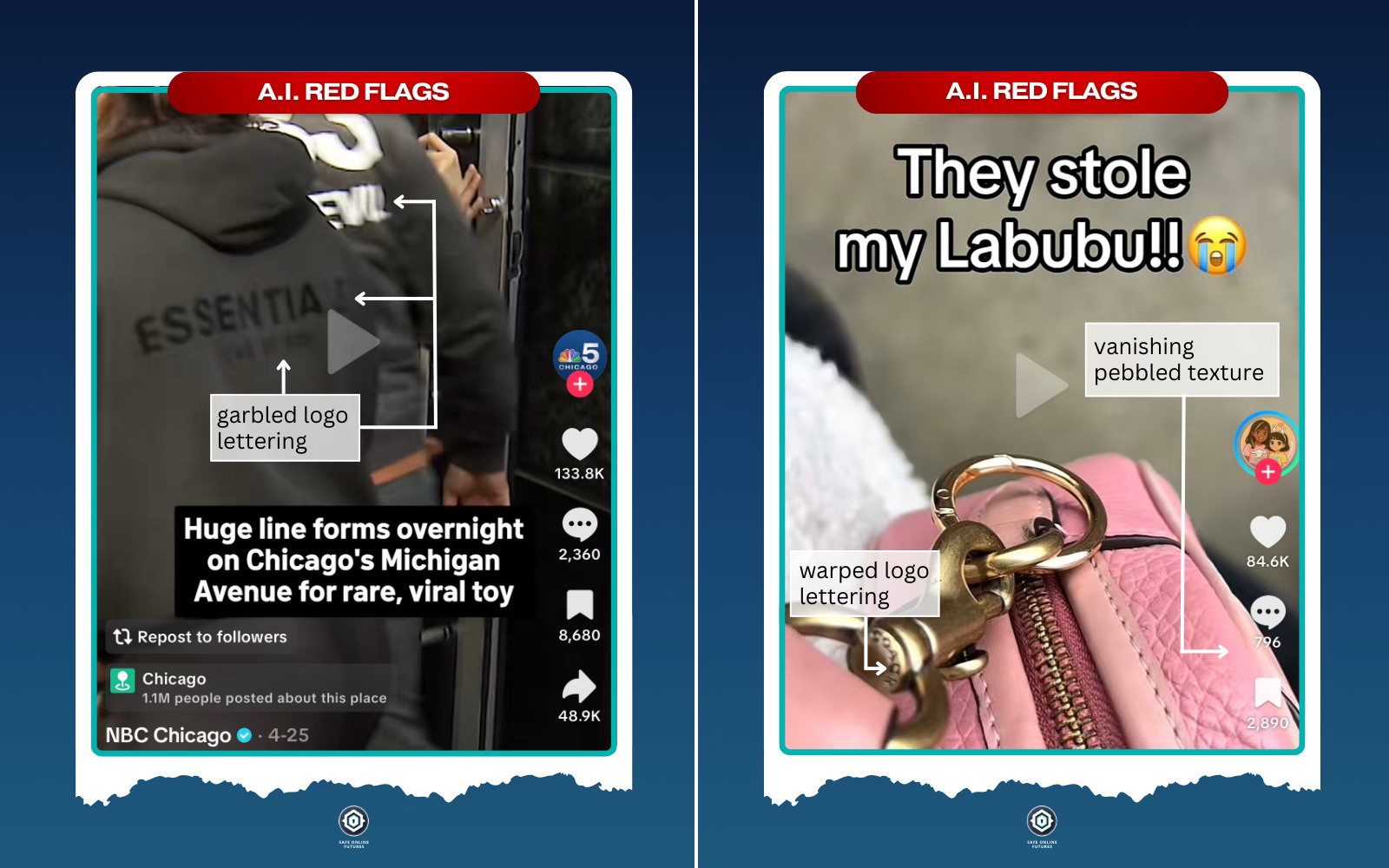
The frenzy multiplied through manufactured scarcity and viral videos — most showing clear signs of AI generation or manipulation. TikTok filled with seemingly organic content: crowds camping outside stores, physical brawls over dolls, people getting Labubus stolen off their bags, even photos of the UK heist that netted $202,000. Weekly restocks that sold out in seconds drove resale prices to $9,500 on eBay.
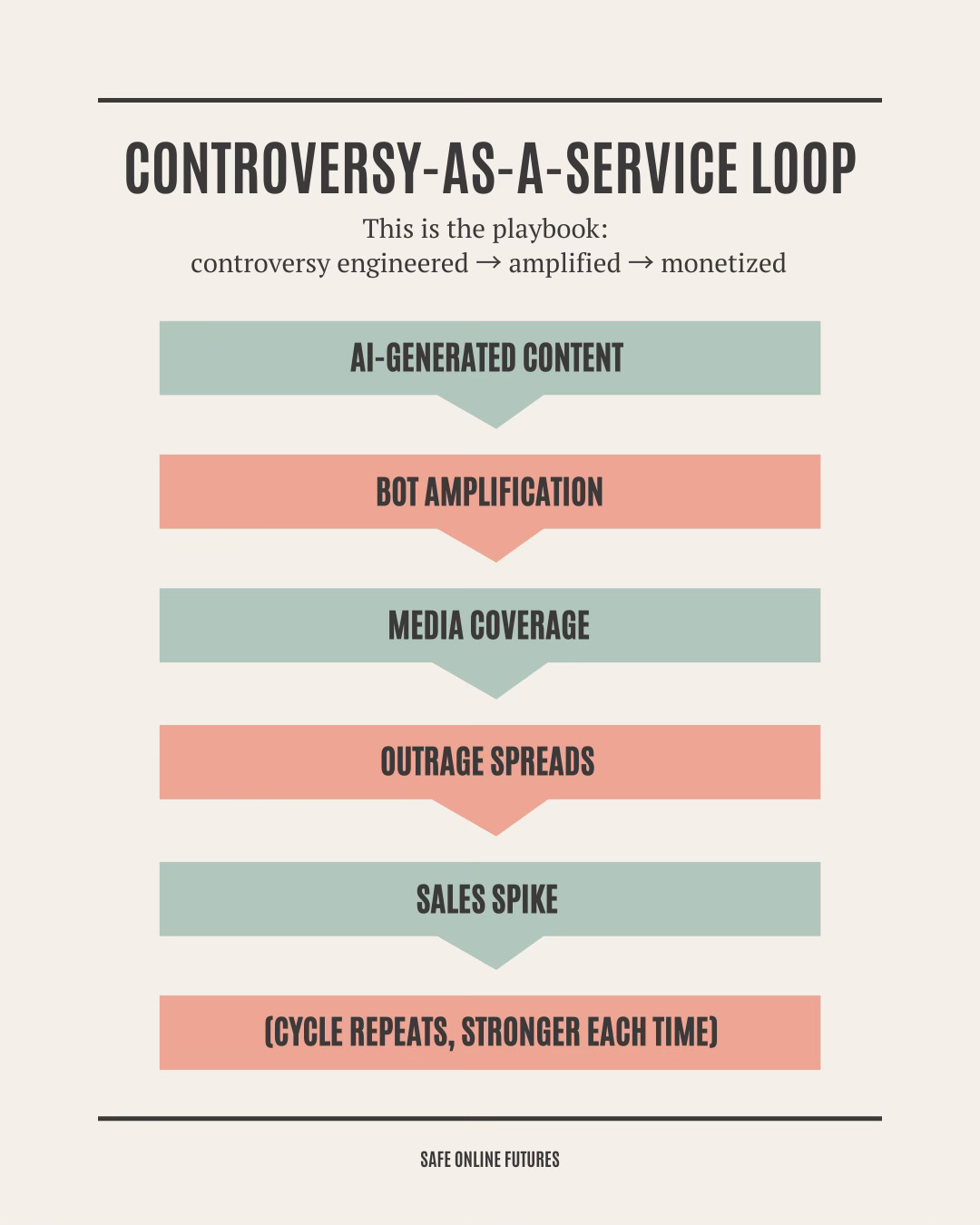
This wasn't organic viral content — it was "controversy as a service," the deliberate engineering of outrage for strategic gain.
The New Brand Playbook
Companies can now quietly hire specialized firms to seed disinformation, generate AI videos, operate bot networks, flood platforms with emotionally charged content, and amplify manufactured scandals. Platforms reward engagement over accuracy, making them willing accomplices in this manipulation.
The appeal for brands is irresistible:
- Plausible deniability (disavow the mess while reaping attention)
- Algorithmic exploitation (platforms reward engagement over accuracy)
- Outrage monetization (every angry share fuels visibility)
The conspiracy theories didn't damage Labubu — they supercharged sales. Whether deliberately orchestrated or simply exploited, this creates a feedback loop where controversy generates reactions, brands measure those reactions, then fine-tune their tactics for maximum engagement and profit.
From Tariff Proof to Price Proof
If Labubu can be "tariff proof," what stops other brands from becoming "price proof"?
Manufactured controversy breaks the normal relationship between supply, demand, and cost:
- Outrage drives attention (everyone sees it)
- Attention drives desire (people buy to join the spectacle)
- Desire erases price resistance (consumers pay whatever it takes)
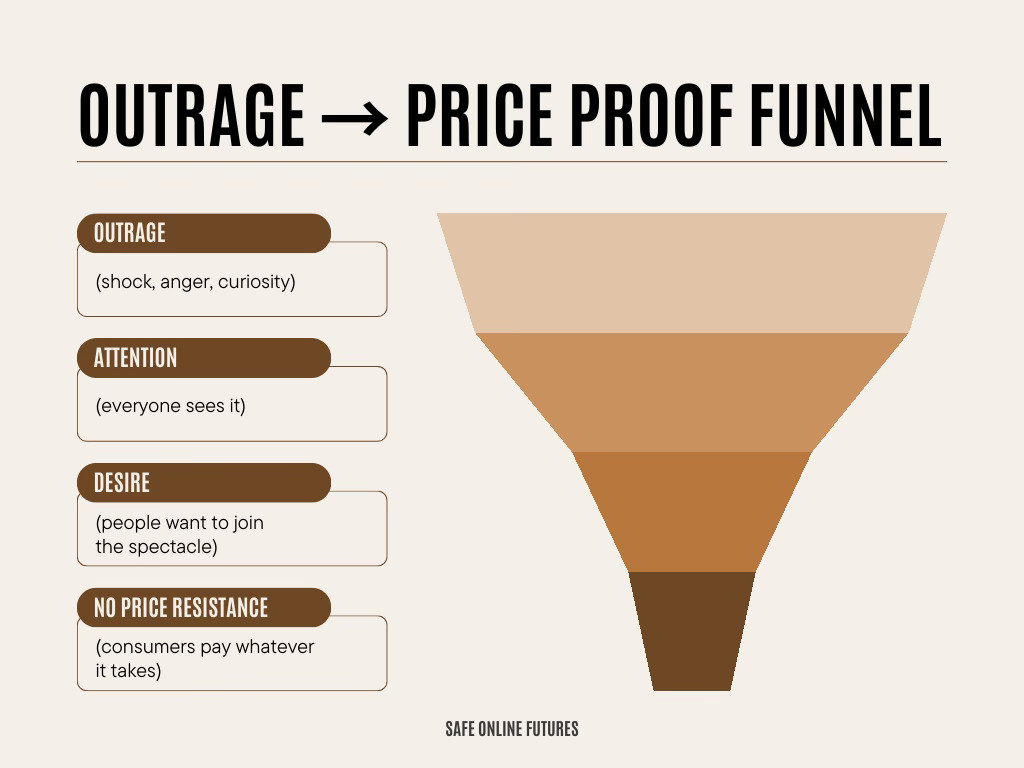
This is the real experiment: testing how far demand can be pushed through AI-generated controversies, how much consumers will tolerate when fed manufactured scandals, how much profit can be extracted once people are hooked into cycles built on deception.
The result is a marketplace where demand isn't organic — it's engineered. Prices aren't set by cost, but by how effectively your behavior can be manipulated.
With trade wars squeezing margins, brands see AI-manufactured controversy as their profit salvation. But this strategy has a critical vulnerability: it requires consumer acceptance of deception. The moment ordinary people start speaking up about being fed artificial content and manufactured scandals, the economics of manipulation break down entirely.
The Stakes
Labubu is just a toy, but the mechanism behind its success is rapidly becoming the template for consumer culture. The question isn't whether this manipulation will spread — it's whether we'll let it.
This system depends entirely on consumer silence. Brands are betting we won't call out AI-generated content, won't demand transparency, won't refuse to engage with manufactured outrage. They're counting on our passivity to normalize deception as marketing.
But we have the power to break this cycle. Every time someone identifies and calls out artificial controversy, every time consumers demand authentic experiences over engineered ones, the entire manipulation strategy loses its effectiveness. The invisible experiment only works if we remain unaware we're in it.
The real danger isn't one viral product succeeding through manufactured outrage. It's accepting that our cultural moments, our emotions, and our purchasing decisions can be engineered without our consent. The time to speak up is now — before AI deception becomes the invisible infrastructure of consumer culture.
Exposing how media manipulation, AI, algorithms, and the attention economy are rewriting reality. Subscribe for free to receive insights into the forces reshaping truth in the digital age.