Narrative Control in 2025: AI Is Writing the War
The most viral content from the Israel-Iran conflict isn’t real.
Note: This piece does not question the reality of the conflict itself, but the authenticity of the content flooding your feed.
The most viral content from the Israel-Iran conflict isn’t coming from journalists or satellites. It’s coming from AI.
Let’s be clear: the conflict is real. Lives are being lost. The stakes are high. But what’s circulating online — what most people are seeing and reacting to — isn’t verified footage from the ground. It’s synthetic.
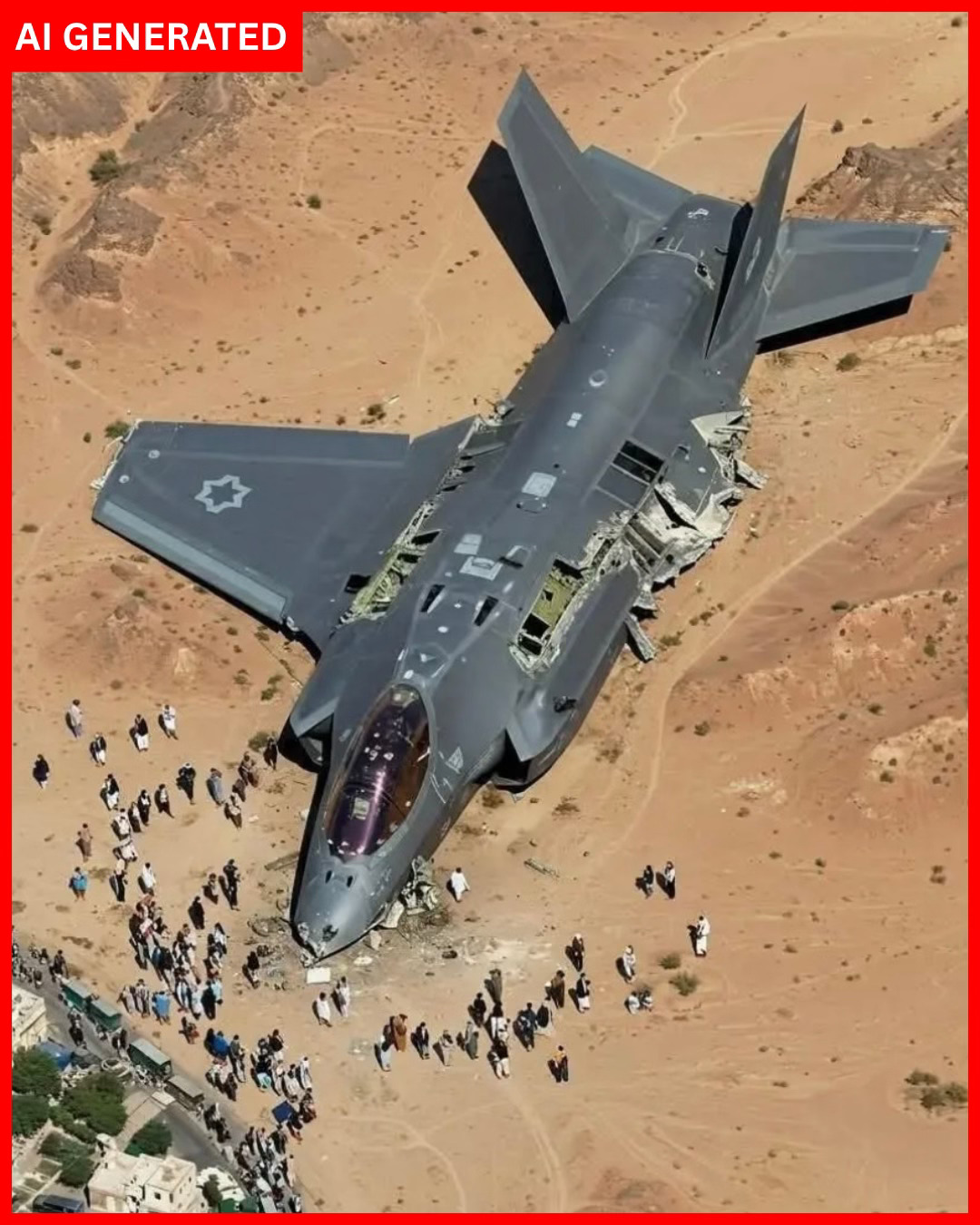
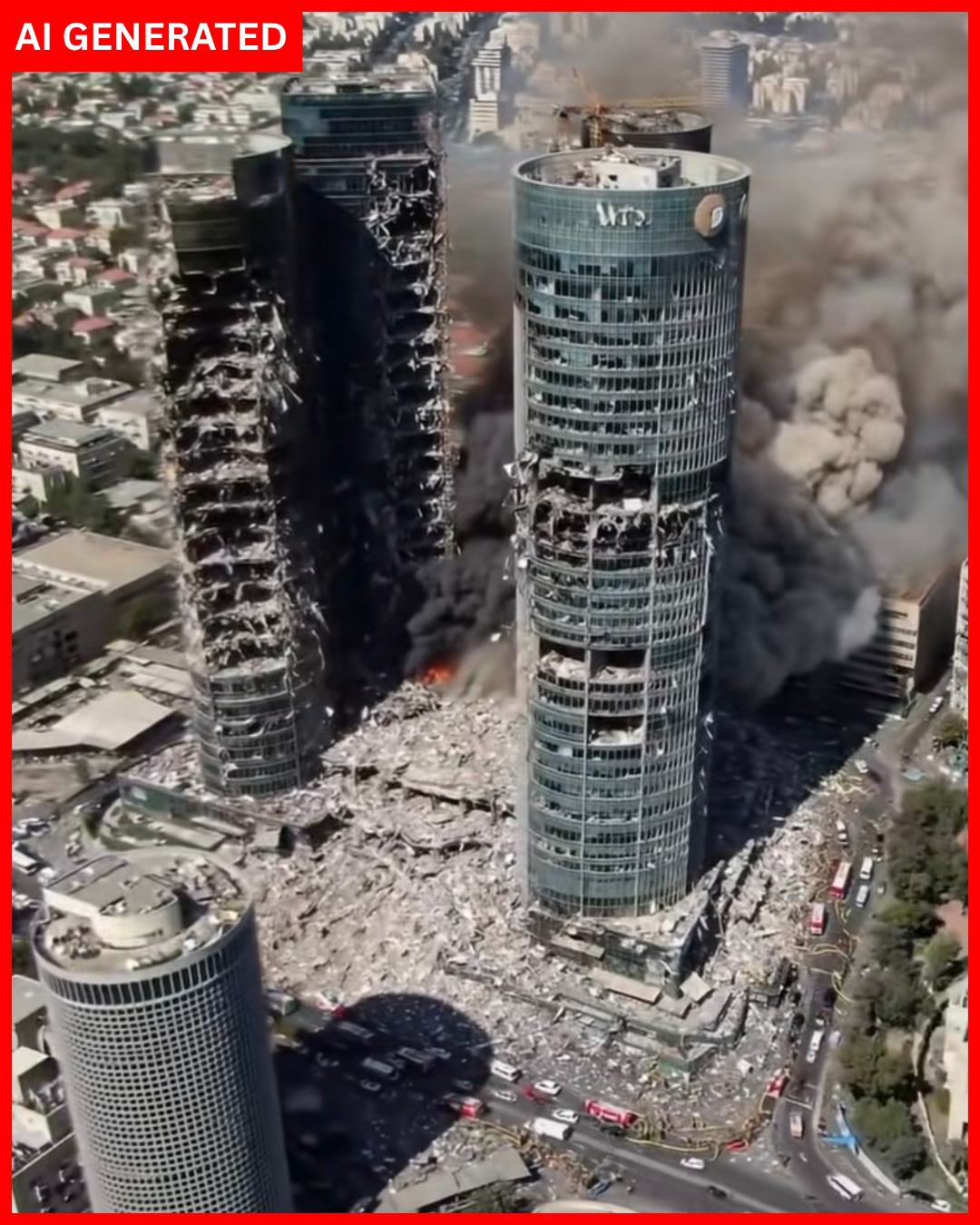
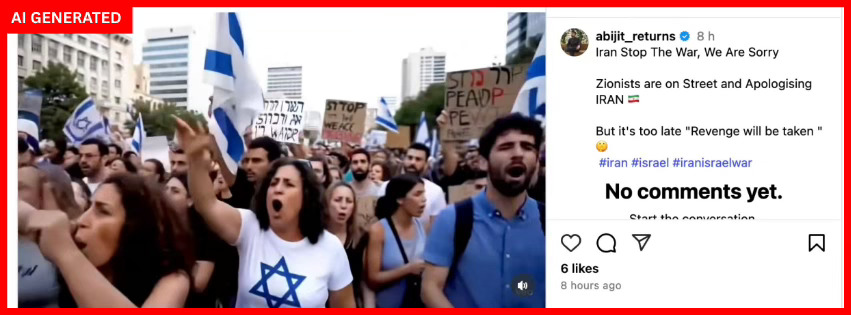
A downed Israeli jet, its wreckage strewn across a desert road, was shared widely on multiple social media platforms It was fake. So was the video of Tel Aviv in ruins. Another clip, supposedly showing Israeli civilians pleading for peace, was created using a text-to-video generator — and framed as frontline documentary.
None of it was real. All of it spread.
And in 2025, that’s the point. You’re not watching a war. You’re watching a simulation of one.
Reality Is No Longer the Default
AI isn’t replacing war. It’s replacing how war is seen.
With tools like Midjourney, Runway, Google Veo, and Pika Labs, anyone can generate war footage that looks “authentic” enough to go viral. No editing skills required — just a prompt, and a narrative to sell.
What used to be reported is now rendered.
This is war propaganda without uniforms. And platforms like TikTok, X, Facebook, and Telegram, aren’t built to verify anything. They’re built to push what performs.
That means what rises to the top isn’t what’s real. It’s what gets clicks.
Why Fake Feels True
AI-generated war content doesn’t need to be real. It just needs to feel true.
These visuals succeed because they confirm what people already believe — or want to believe. Pro-Israel viewers are more likely to trust footage of Iranian destruction. Pro-Iran audiences do the reverse. But either way, the emotional reaction happens before the critical thinking does.
And that emotional charge is the fuel. Rage, grief, vindication — AI gives those feelings a face.
It also gives them scale. Thousands of videos and images. All on demand. All optimized for engagement.
AI-generated content spreads so easily because there are no rules stopping it. Platforms aren’t required to label it, and regulators haven’t caught up — so synthetic media is treated the same as authentic footage by default.
In fact, buried deep in Trump’s so-called One Big, Beautiful Bill Act — set to hit the Senate floor this week — is a provision that would ban states from regulating AI altogether for the next ten years.
That’s not a glitch in the information ecosystem. That’s the system working exactly as designed.
Who’s Cashing In on the Chaos
It’s not just rogue accounts or foreign operatives anymore. AI-generated war content benefits the entire ecosystem:
- State actors push it to control the narrative.
- Militias and extremist groups use it to recruit, intimidate, or rally support.
- Politicians and influencers use it to manipulate public opinion without accountability.
- Mainstream media picks it up because it “looks real” and performs well in the algorithm.
- Tech platforms monetize the engagement, full stop.
- And everyday users post it for attention, clout, and reach.
This isn’t accidental. This is structural. Synthetic propaganda now plays by the same rules as everything else online: if it travels, it thrives.
What This Is Actually Doing to Us
None of this means the war itself is fake. It means the public’s perception of that war is being shaped —relentlessly — by material that is.
AI-generated content doesn’t just mislead. It directs attention. It manufactures outrage. It justifies real-world actions.
Once a fake video goes viral — especially one that fits a political narrative — it becomes “true enough” for millions. By the time a fact-check drops, the damage is already done.
And if government agencies, media outlets, and platform algorithms are all complicit — by design or by default — then public trust isn’t just eroding. It’s being dismantled.
How to Stay Grounded
This isn’t about becoming a skeptic. It’s about becoming unshakeable.
- Zoom in. Look for warped hands, inconsistent lighting, strange depth of field.
- Run a reverse image search. Use Google Lens or TinEye before hitting share.
- Use AI forensic tools like Hive to spot AI manipulations.
- Trust your unease. If something looks too cinematic, too staged, or too emotionally perfect — it probably is.
- Wait. Even 30 seconds of hesitation can stop disinformation in its tracks.
Don’t feed the algorithm. Interrupt it.
What You’re Really Seeing
This may be the first war shaped more by synthetic content than by soldiers on the ground.
And the scariest part? The simulation feels more real than reality ever could.
And what happens when it’s not just anonymous users spreading synthetic war footage — what happens when it’s the White House? That’s next.