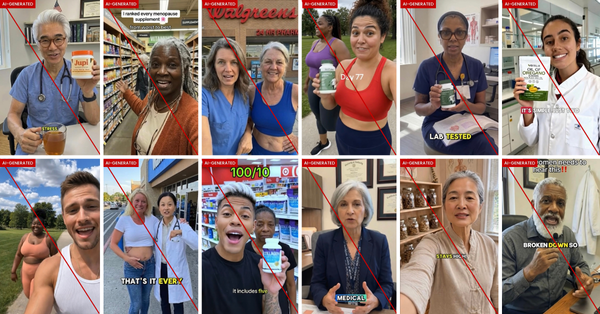
Queen Melania and the Algorithm's Throne
How a fake magazine cover showed who really controls online discourse
The cover looked authentic enough: Melania Trump as "The American Queen," her name rendered in Vanity Fair's unmistakable typeface. Social media erupted — outrage, praise, bewilderment. For hours, people shared and argued over what appeared to be the magazine's latest editorial statement.
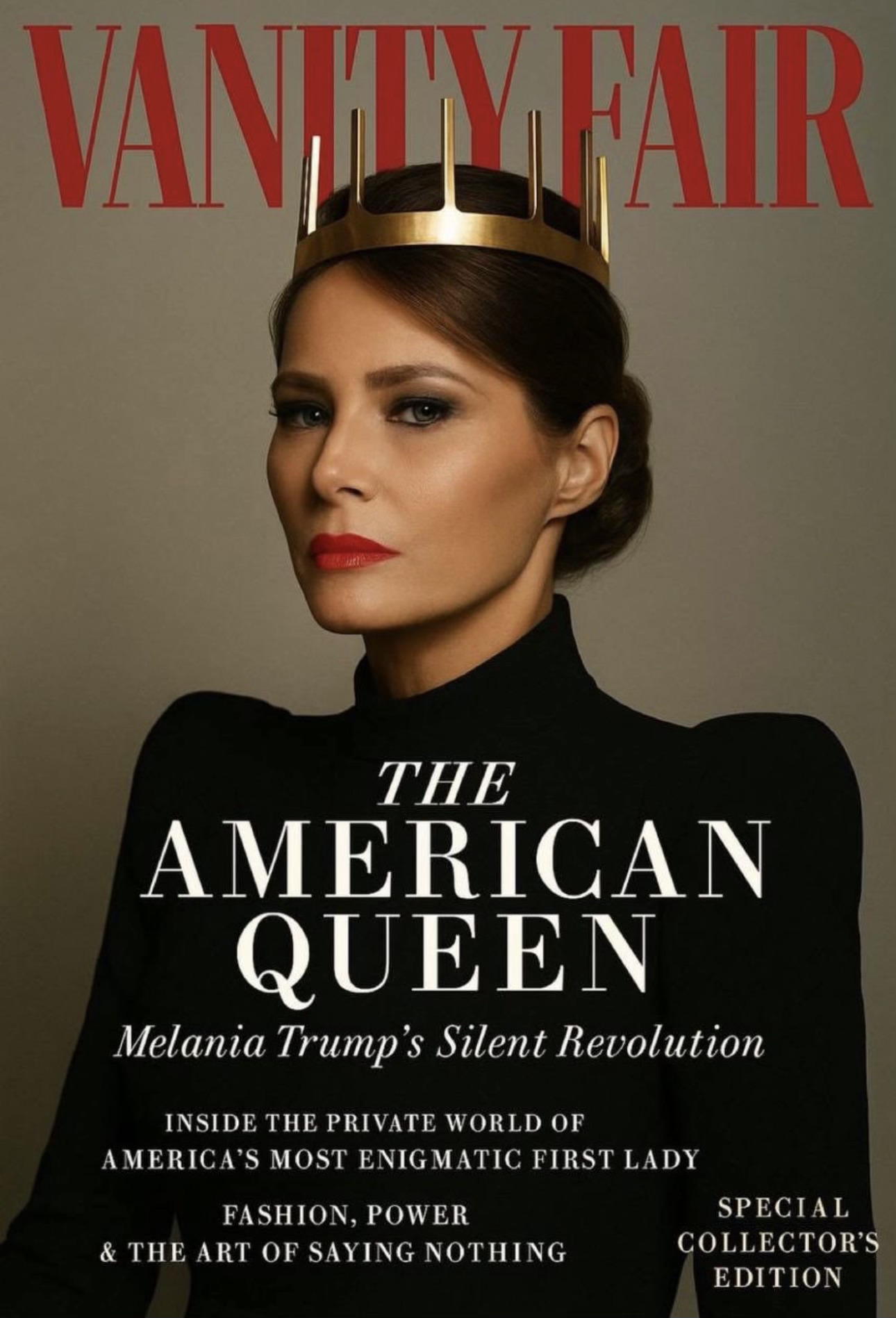
Except Vanity Fair never published it.
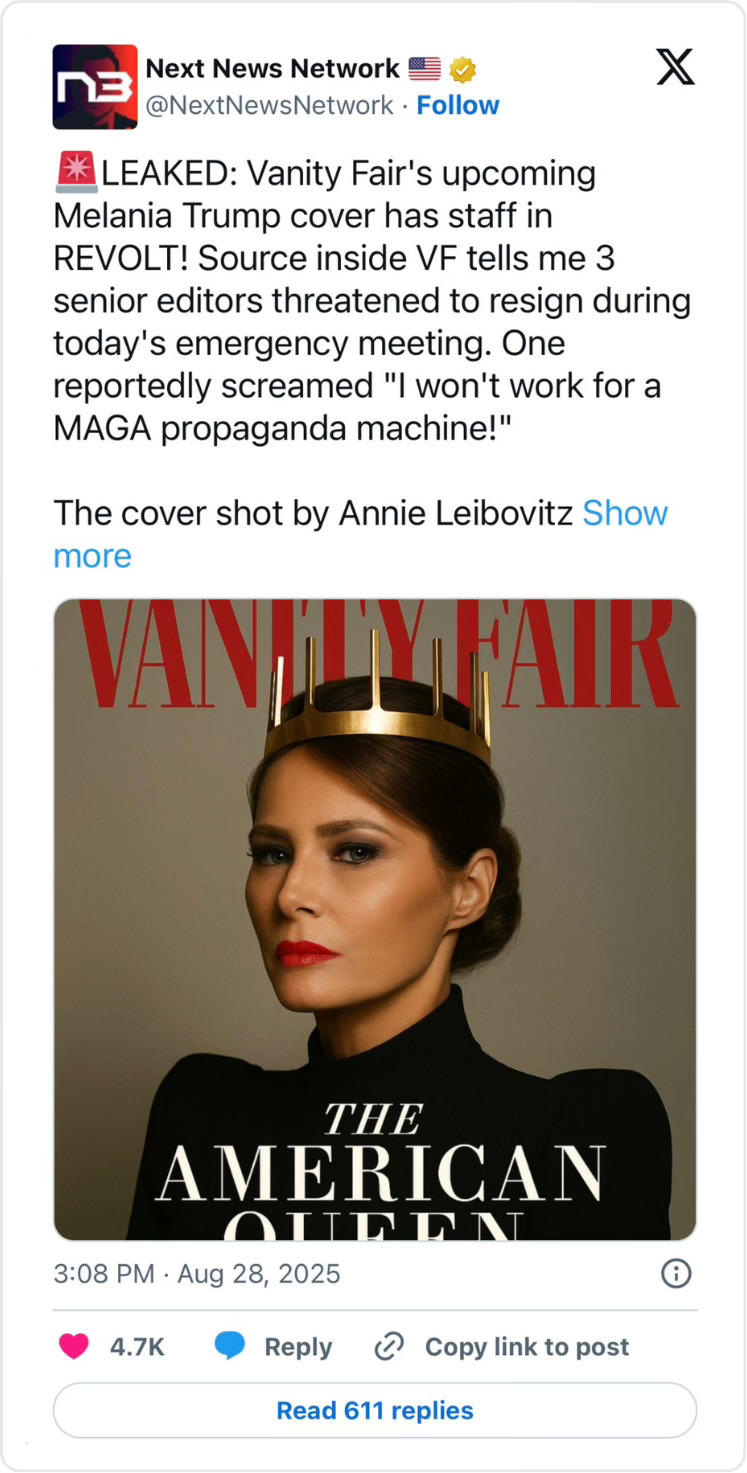
The fake cover was the creation of Gary Franchi, host of Next News Network, a YouTube channel with a track record of packaging conspiracy theories as breaking news. When pressed, Franchi called it "trolling." But trolling undersells what actually happened here. This was strategic manipulation of the attention economy, and it worked flawlessly — the original X post has racked up more than 200,000 views as of September 2025.
The Engagement Trap
Franchi's channel has been repeatedly flagged for spreading disinformation, yet it continues to thrive. The reason is simple: platforms reward engagement above all else. Every click, share, and angry comment generates revenue. Truth becomes secondary to traction.
The Melania cover succeeded precisely because it triggered strong reactions. Whether viewers believed it or debunked it was irrelevant — both responses fed the algorithm. The content's authenticity mattered far less than its ability to provoke.
Enter California Governor Gavin Newsom's communications team, who couldn't resist the opportunity. They published their own mock cover: "King Newsom," complete with crown and a cheeky tagline about "Hair, Gel, and the Art of Being so Handsome." Their post, sarcastically thanking Vanity Fair for the "honor," was obvious satire.
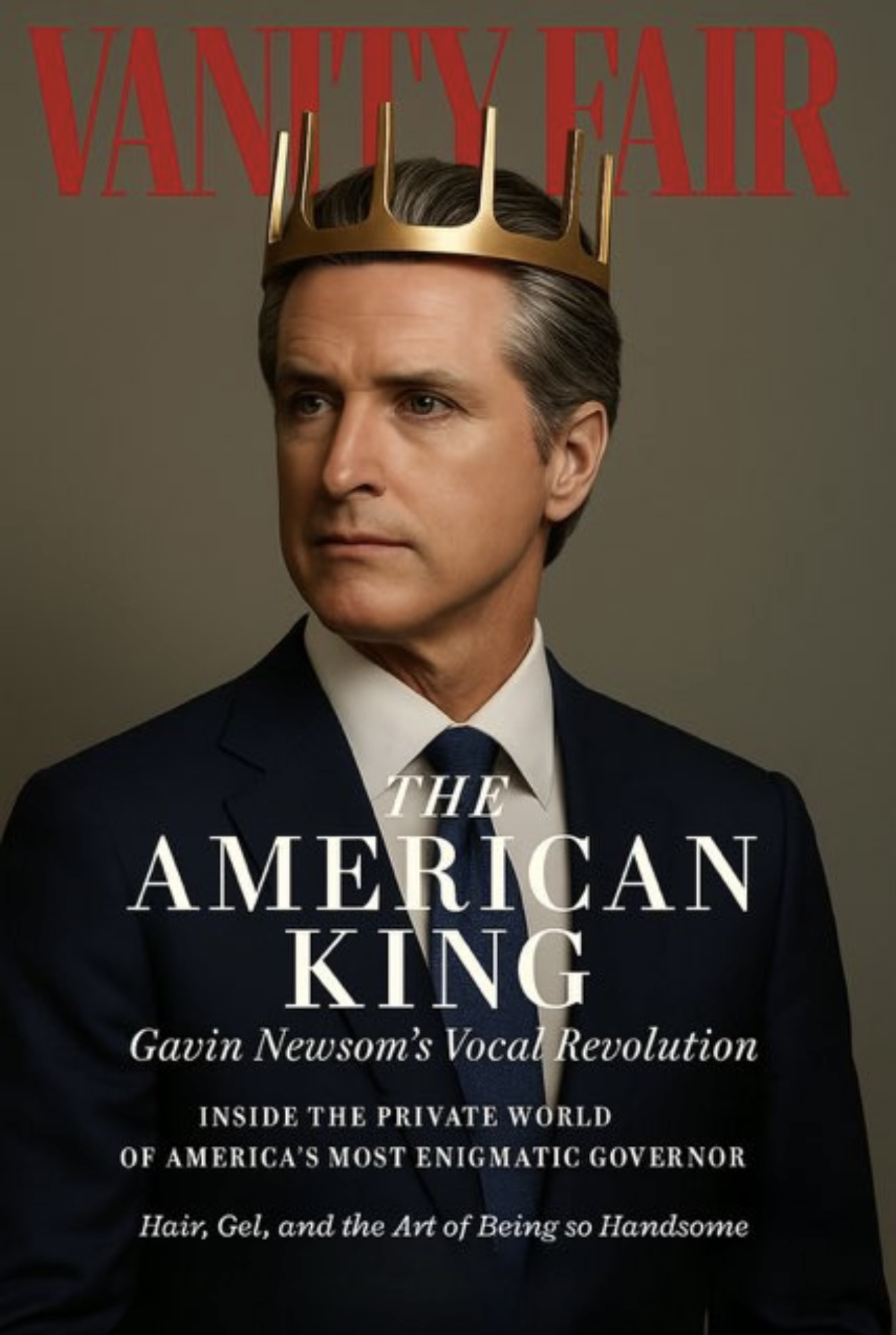
But satire still plays by the same rules. Here was a governor's office using an AI meme format to chase viral moments, legitimizing the very tactics that created the original controversy.
The Feedback Loop
Watch how this ecosystem operates:
A disinformation peddler creates inflammatory AI content. A politician's team co-opts the format for brand building. News outlets cover both stories, amplifying the reach. Each participant extracts value from the cycle — Franchi gets clicks, Newsom gets attention, journalists get content.
The system rewards participation regardless of intent. Whether you're spreading lies or mocking them, you're still feeding the machine that prioritizes viral content over verified information.
Beyond Harmless Fun
Dismissing fake covers as internet comedy misses the larger implications. We're witnessing the normalization of AI-generated manipulation as a mainstream political tool. When both fringe provocateurs and sitting governors use identical tactics, the line between legitimate communication and digital propaganda dissolves.
This isn't just about one fake magazine cover. It's about training audiences to accept that viral appeal trumps factual accuracy. Each time we reward engagement over truth, we strengthen a system that hands influence to whoever can manufacture the most compelling spectacle.
The real power shift isn't toward any particular political figure — it's toward the algorithms that determine what captures our collective attention. In this new landscape, the throne belongs neither to kings nor queens, but to whoever best understands how to game the scroll.
Exposing how media manipulation, AI, algorithms, and the attention economy are rewriting reality. Subscribe for free to receive insights into the forces reshaping truth in the digital age.