The Attention Economy Is a Weapon Now
While the media chased a $400M AI fantasy, the Trump administration moved to block all local AI regulation for a decade.
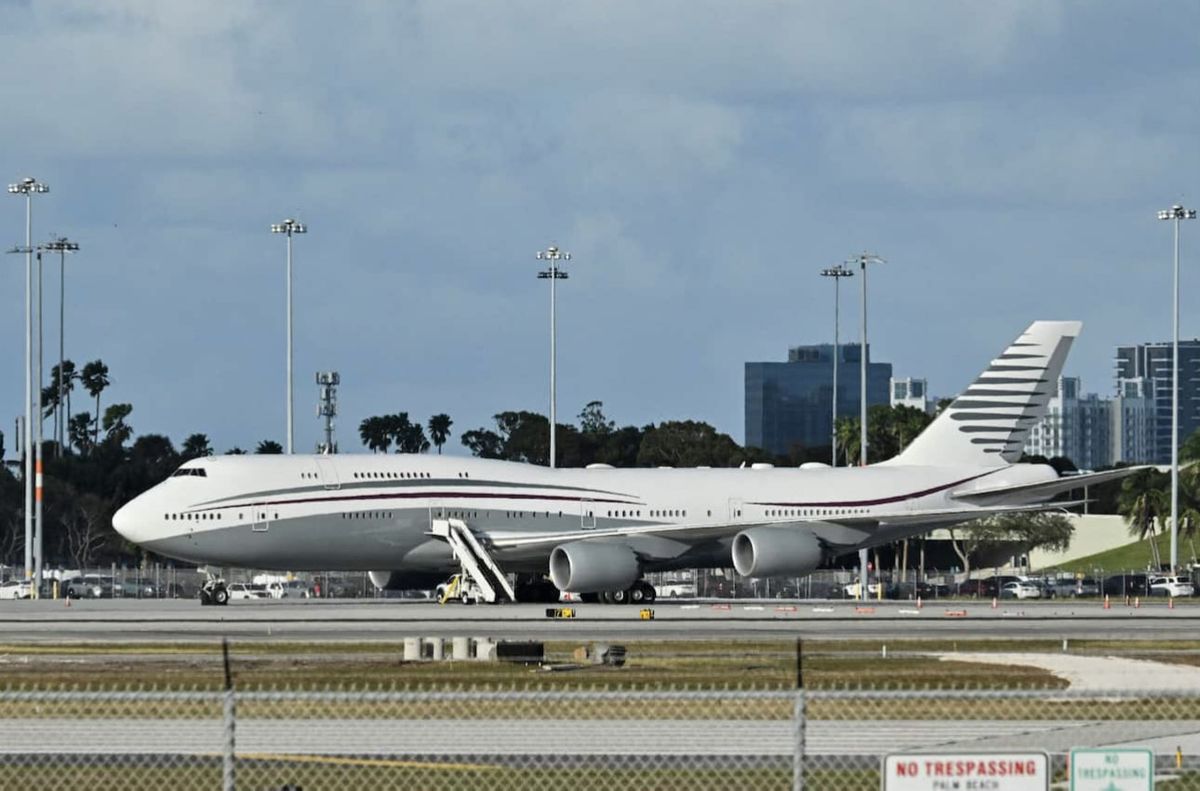
Last week, a story took over social media: Qatar was reportedly gifting Donald Trump a custom $400 million private jet.
Photos flooded every feed. Headlines followed. The narrative was clear: another indulgent flex from a man addicted to power and spectacle. But here’s the thing:
The jet? Possibly fake.
The photos? AI-generated.
The story? Never verified.
The damage? Very real.
While the media scrambled for engagement, the Trump administration quietly pushed a clause into a massive legislative package that would ban states from regulating artificial intelligence for a full decade. That’s right: while everyone was debating whether Trump deserved a $400 million aircraft, House Republicans were laying the groundwork for a nation where AI is immune from local oversight.
This wasn’t just a distraction. It was a test. And it worked.
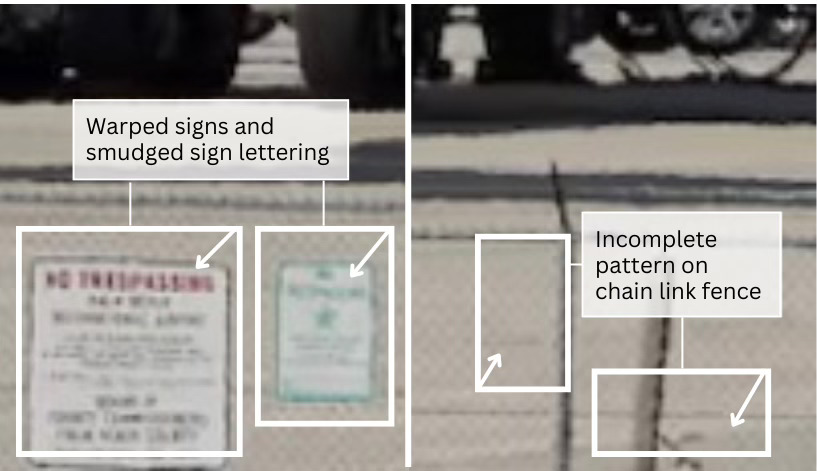
The images of the so-called “Qatari jet” show all the hallmarks of AI generation: glitchy geometry, inconsistent lighting, unnatural reflections. But that didn’t stop them from going viral.
No outlet verified the photos. No source provided proof. And still, the story dominated news cycles for days.
Why? Because in today’s media landscape, truth is optional. Outrage is not.
What It Was Distracting From
While the jet was flooding the feed, House Republicans were pushing a sweeping $5 trillion reconciliation bill. Hidden deep inside it was a clause with enormous consequences:
A federal ban on state and local regulation of AI for 10 years.
That means:
- California can’t pass safety laws for facial recognition tech.
- New York can’t require transparency on AI-generated political ads.
- No city or state can rein in corporate AI—even when it harms consumers, voters, or children.
It’s deregulation by design—written to shield powerful interests from democratic accountability.
And it was buried. On purpose.
Why Fabricate a Jet?
This wasn’t just a random AI hoax. There are real incentives behind a fake story like this:
- Viral narratives steal attention from structural power plays.
Media and users fixate on what’s outrageous, not what’s impactful. - AI makes it cheap and easy to manufacture a headline.
You don’t need Qatar. You don’t need a jet. You just need an image and a rumor. - Outrage builds engagement. Engagement builds profit.
Everyone wins, except the public.
This is how the Attention Economy works: content is optimized to trigger, not inform. And now, AI makes it even easier to manufacture those triggers at scale.
AI’s Role in Shaping Perception
AI isn’t just being used to create fake images. It’s shaping what people believe is real. It’s being used to bend timelines, plant headlines, and generate content that platforms reward with reach.
In this case, AI was used to created a distraction that aligned perfectly with the interests of:
- Tech companies seeking deregulation
- Politicians seeking cover
- Media outlets seeking traffic
And the result? A synthetic fantasy helped bury a real policy assault on democratic oversight.
One Clause Wasn’t the Only Thing Buried
While the Qatari jet hoax sucked up oxygen across media platforms, the Trump administration advanced several high-impact policies with minimal public scrutiny. Here’s what else moved in the shadows:
- $500 million in food aid was abruptly paused, stripping food banks across Virginia and the D.C. area of more than 1.4 million meals amid rising hunger.
- Banking regulations were rolled back, weakening safeguards meant to prevent another 2008-style collapse, just as market instability grows.
- Federal union rights were slashed, as Trump’s executive order curbing collective bargaining for government employees quietly took effect.
- PEPFAR clinics across Africa shut down, as the administration pulled back from global HIV/AIDS programs under pressure from anti-LGBTQ+ groups aligned with Trump’s base.
Each of these would have sparked major headlines on their own. But they didn’t. The media was too busy covering a jet that doesn’t exist.
And that’s the point.
The AI-generated jet was not just misdirection. It was weaponized distraction.
A synthetic fantasy used to camouflage a coordinated real-world power grab—none more dangerous than the attempt to outlaw state-level AI regulation for a generation.
What to Watch for Next
This won’t be the last time you see this playbook. Watch for:
- AI-generated photo ops around political figures and luxury assets
- Emotionally charged, unverifiable stories that drown out actual policy reporting
- Sudden media storms timed to coincide with legislative movement
- Platforms boosting fake-but-engaging content while burying substantive critique
We are in the early stages of a new kind of propaganda—AI-powered, algorithmically amplified, and attention-optimized.
What This Tells Us
The Qatari jet story wasn’t a glitch in the system. It was the system working exactly as designed.
If we don’t learn how to recognize this pattern, fabricated distractions that mask real damage, we will continue to be misled, manipulated, and governed in the shadows.
Follow Safe Online Futures for more breakdowns like this, and share this post with someone who still thinks the jet was real.