The Crime Crisis That Isn't: How AI Fakes Are Fooling America
Trump uses synthetic images to manufacture outrage while crime hits 20-year lows
Crime in America is at a two-decade low, according to the FBI. Violent crime and property crime are down across most major cities. Yet more than 80% of Americans say crime is a "major issue," and in poll after poll, “crime” remains Donald Trump's strongest weapon against Democrats.
That disconnect between perception and reality is no accident. It's engineered.
Trump is manufacturing outrage using AI-generated visuals, bot armies, and a complicit media ecosystem to convince Americans that crime is spiraling out of control while painting himself as the only one strong enough to fix it. This playbook will dominate the run-up to the midterms.
The Ukrainian Murder in Charlotte
This summer's most shocking example hit like clockwork. Twenty-three-year-old Ukrainian refugee Iryna Zarutska was murdered on a Charlotte, NC light rail. The story dominated headlines and Trump's feeds almost instantly, framed as evidence that America under Democratic leadership is lawless and dangerous.
But when you look closer, something's off. Video and photos from the attack — released by the Charlotte Area Transit System (CATS) — show telltale signs of AI manipulation.
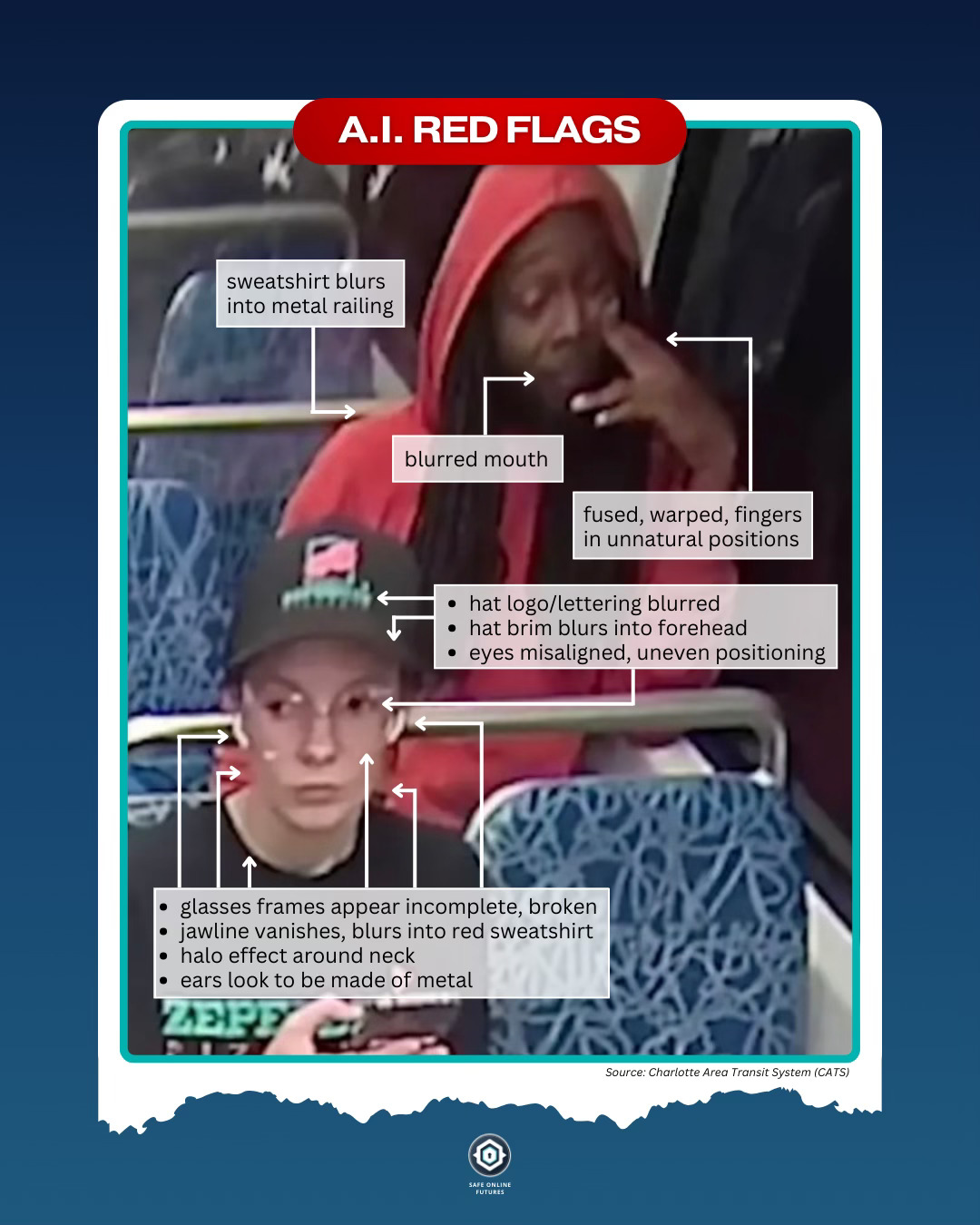
That raises an uncomfortable question: are we witnessing an authentic tragedy, or are parts of this narrative being manufactured to fuel outrage? Either way, the effect is the same. Trump emerges as the strongman who "cares about crime" while Democrats look weak and distracted.
The Pattern Emerges
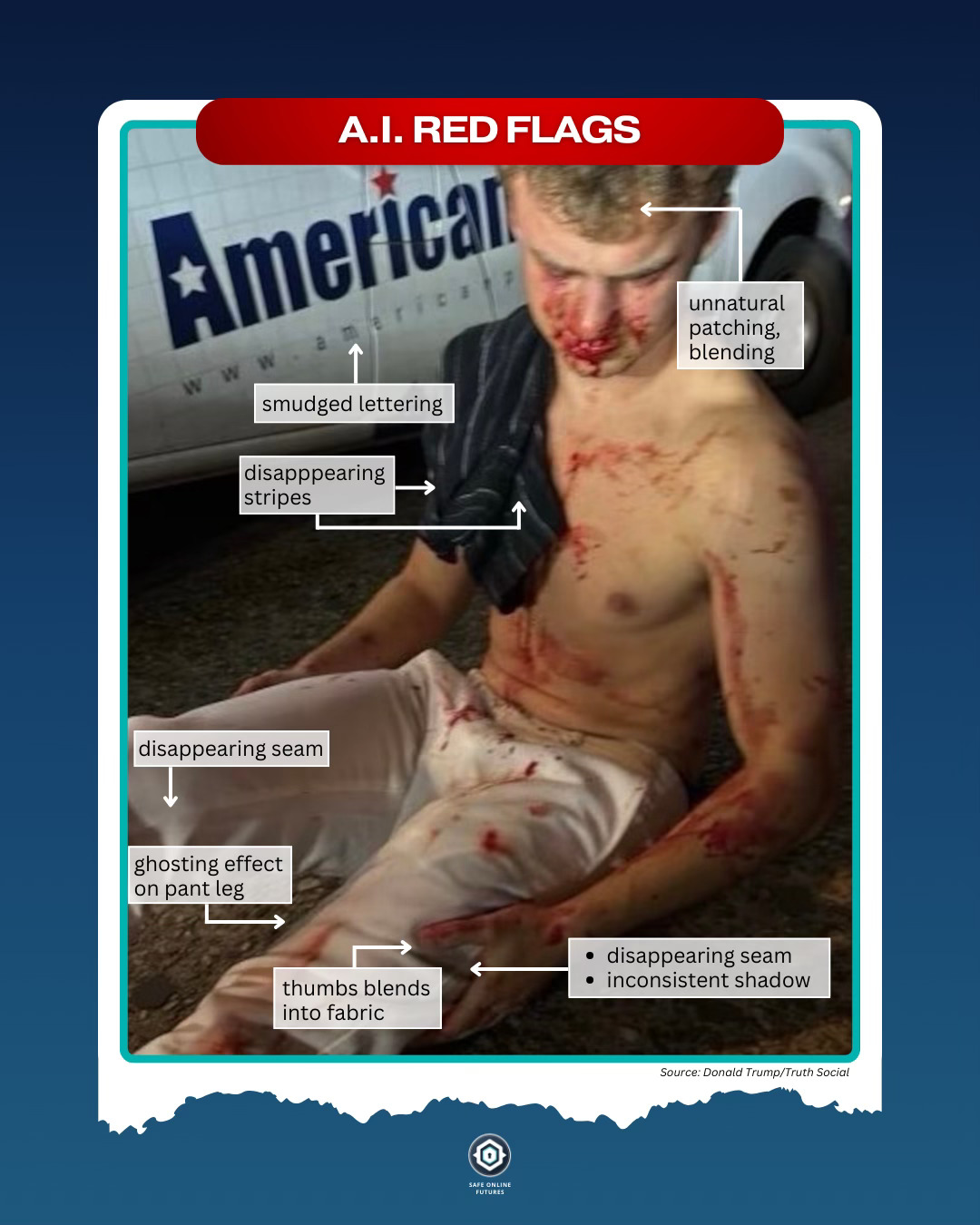
If this sounds familiar, it should. Just months earlier, Trump used the exact same playbook in Washington, D.C. DOGE staffer Edward "Big Balls" Coristine was allegedly beaten while stopping a carjacking. Within hours, Trump declared a "public safety emergency," sent in the National Guard, and effectively seized control of the city.
The photos used to justify those moves? AI fingerprints everywhere — warped fabric, melting thumbs, over-sharpened details in images of both the victim and alleged carjacker. Trump didn't wait for facts. He used fake-looking visuals to justify an extraordinary expansion of power.
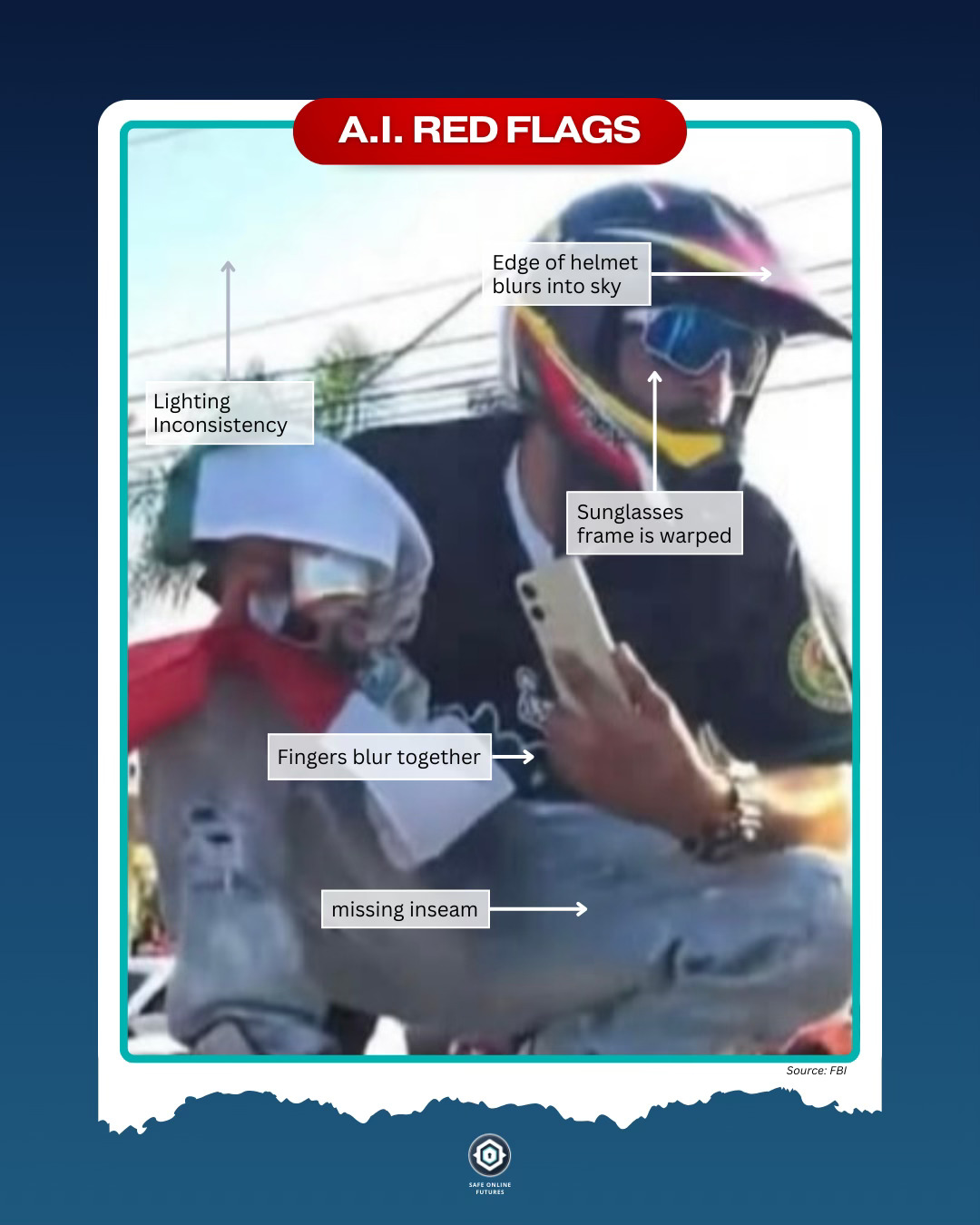
And this isn't new. Back in June, Trump deployed the same tactics during the Los Angeles protests over ICE raids. The FBI shared a wanted poster of a protester accused of assault. But the images don't look real — weird lighting, distorted features, digital artifacts. They look synthetic, not snapped.
The strategy is always the same: cement Trump as "the only one who can fix it" while portraying Democrats as either clueless or uncaring.
The Formula
By now, the pattern should be obvious. AI visuals create instant believability. Bot armies flood comment sections, simulating consensus. Trump plays the protector; Democrats play the foil. Algorithms and headlines spread the outrage without verification. And every cycle becomes a test — how gullible are people? How tolerant of manipulation? How apathetic?
It works because algorithms reward outrage. Anger and fear drive clicks, and clicks drive profit. Behavioral data is gold — every like, comment, and scroll gets measured. If you shrug at AI fakes, that tells them they can push harder. Psychology does the rest through repetition and fear priming. And politics seals the deal: every new "crime crisis" bolsters Trump's brand while weakening Democrats by comparison.
Escalation by Design
This isn't just opportunism. It's governance by outrage, and each manufactured crime story is a stress test. If people ignore the AI red flags, expect more AI. If people stay silent, expect louder manipulation. If people swallow the narrative, expect more authoritarian responses.
Your reactions — or lack thereof — are being analyzed in real time. The metrics aren't about engagement. They're about tolerance. They're about whether the public will accept synthetic reality as the basis for real policy.
Here's what makes this especially dangerous: this isn't a partisan problem. Outrage manipulation is a playbook anyone can pick up — a candidate, a campaign, a corporation. Once it becomes normalized, no side has to prove reality anymore; they only have to manufacture perception. That's why it's so urgent to push back now, while the seams in the system are still visible.
What You Can Do
Don't fall into silence. Every moment of apathy tells the system: "carry on."
Speak up. Call out fake visuals. Name the manufactured narratives. Demand accountability from platforms and media outlets.
Because silence is compliance. Loudness is leverage.
Outrage is the weapon. Attention is the currency. And unless we push back hard, Trump and his allies will escalate until synthetic crises replace reality itself.
Exposing how media manipulation, AI, algorithms, and the attention economy are rewriting reality. Subscribe for free to receive insights into the forces reshaping truth in the digital age.