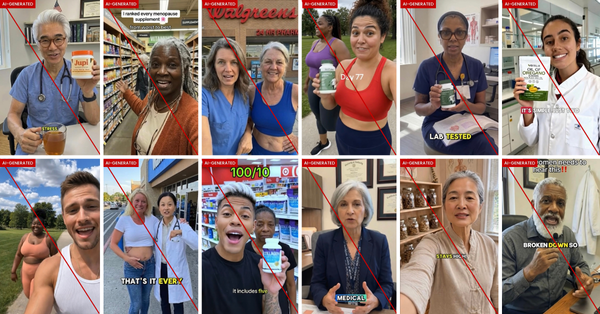
The Synthetic Wedding
How AI lets celebrities manufacture intimacy, control the story, and keep audiences emotionally hooked
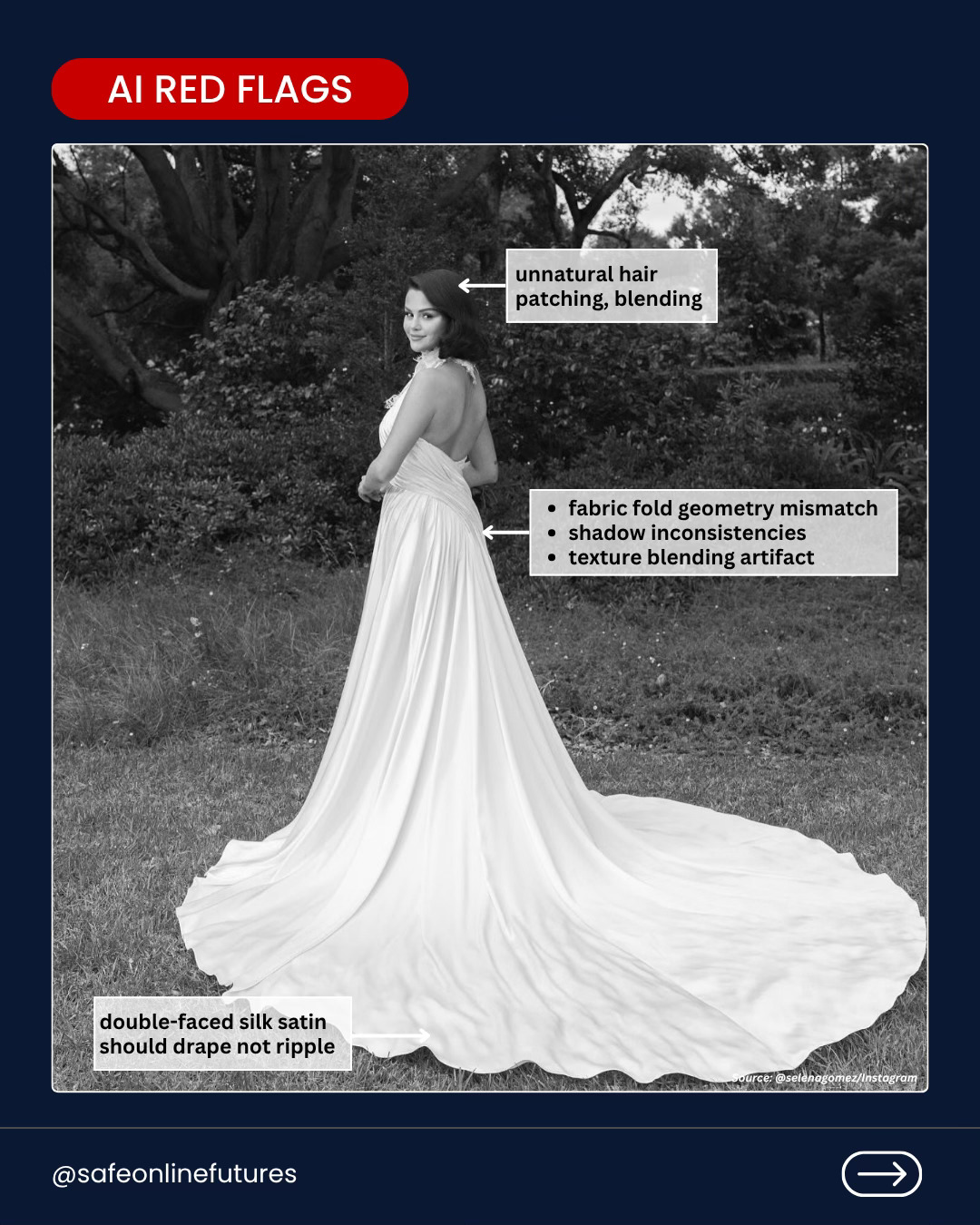
Selena Gomez posted wedding photos. The media ran with them. Fans dissected every detail. But something was off — the fabric too perfect, the light behaving in ways light doesn’t actually behave. The telltale smoothness of synthetic imagery.
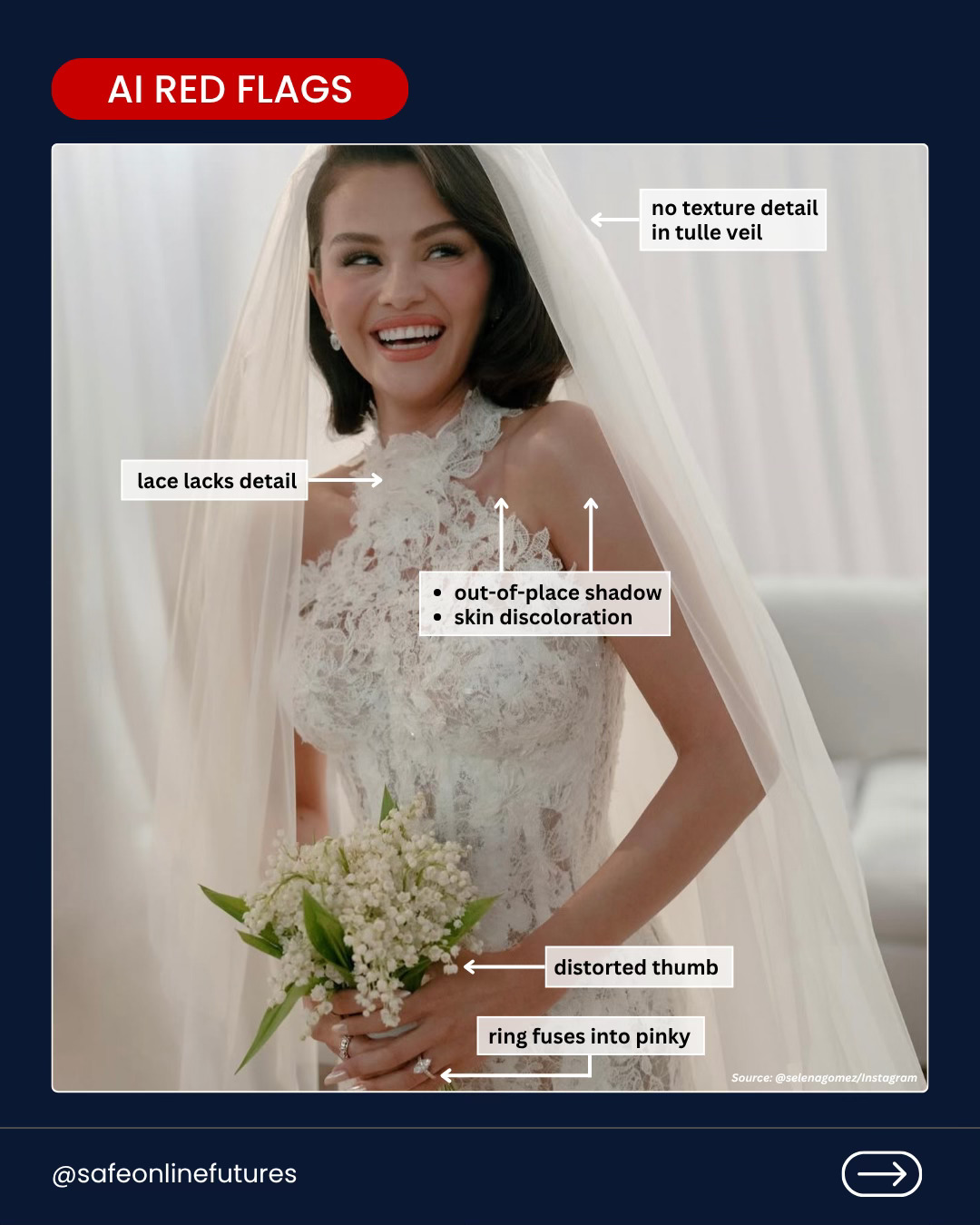
These weren’t just retouched. They were generated. And that distinction matters.
This isn’t some elaborate hoax. It’s something more calculated: control at scale. AI lets celebrities engineer intimacy — delivering what feels like access while revealing nothing at all. Each image gets optimized for engagement, tuned for emotional impact, aligned with brand strategy. The “moment” becomes a product, refined through dozens of iterations no one will ever see.
The Manufactured Self
We’re watching the emergence of something new: celebrity as partial simulation. Not entirely fake, but not entirely real either. A version of the self designed to perform flawlessly across platforms, demographics, narrative arcs.
It’s effective because it looks authentic. The imperfections are deliberate. The spontaneity is staged. The vulnerability has been A/B tested.
What We’re Actually Consuming
Scroll through any celebrity feed and you’re not seeing documentation anymore — you’re seeing design. Curated simulations of human experience, optimized for the same systems that recommend your next video or predict your next purchase.
The more convincing these images become, the less we register the shift. Authenticity doesn’t disappear dramatically. It just gradually gets replaced by something that tests better.
Why It Works
AI doesn’t protect celebrity image through deception. It does it through precision. Because in an economy built on attention and emotional response, a well-designed simulation outperforms messy reality every time.
Every pixel becomes strategy. Every fabricated moment, a form of leverage. And we participate willingly, because the illusion is good enough that questioning it feels paranoid.
That’s the real power here — not that it’s possible, but that it’s working.
This is part of an ongoing series on synthetic celebrity — how AI and algorithmic design are quietly redefining what passes for real. Each week, I break down the mechanics of AI-driven media manipulation: how it works, why it works, and how to spot it before it rewrites what you think you know.