The Truth Feels Real — Even When It’s Fake
AI isn’t just making fake content. It’s reshaping how we feel, vote, and react — faster than facts can catch up. (Part 2)
It started with a heartbreaking image.
After Hurricane Helene slammed into the Gulf Coast last fall, that image went viral. It showed a little girl, drenched and wide-eyed, clutching a shivering puppy on a half-submerged boat. Her expression said everything: fear, abandonment, helplessness. Within hours, the image was everywhere. Millions believed it. News outlets ran it. Celebrities reposted it. Outrage exploded. The U.S. government, especially the Biden administration, was hammered for botching the response.
Except the image wasn’t real.
It was made by AI.
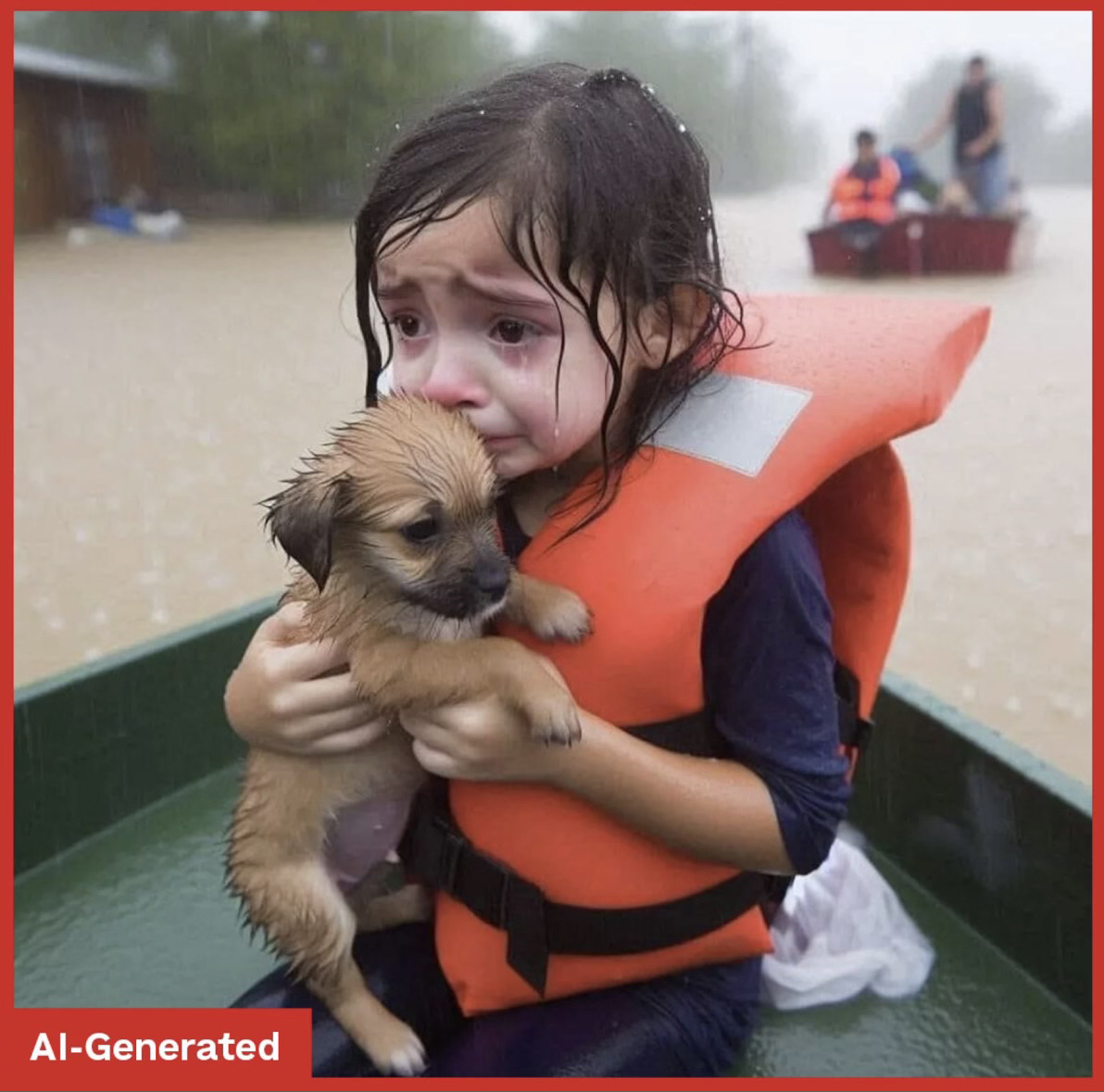
Internet sleuths soon spotted the tells. Mismatched skintones. An overly airbrushed aesthetic. Limbs bent at strange angles. By the time the photo was debunked, it had already been viewed millions of times. And the damage? Already done.
Some who shared it had no idea it was fake. Others did and didn’t care. A few doubled down, saying, sure, it was AI, but it "captured the truth" of what real victims must be going through. That’s how deep AI-curated narratives dig in — not by lying outright, but by making you feel like they must be true.
This is what we mean by an AI-curated narrative: a story or perspective engineered by artificial intelligence, shaped to influence how you think, feel, vote, or react.
It’s not just one fake photo. It’s a system.
How It Works
AI-curated narratives start with emotional content. AI doesn’t just mimic reality, it mimics the emotional logic of storytelling — the teary child, the helpless animal, the ticking clock. These images and posts are built to go viral because they hack the brain’s shortcut systems. Fear, anger, and empathy all trigger faster than logic. And the platforms? They reward it.
Social media algorithms are built to push what engages. And nothing engages like outrage. The more viral the content, the more real it seems. Even when it isn’t.
AI can generate thousands of emotionally charged posts, images, and deepfakes in minutes. Then bots and paid networks amplify the content until it looks like a movement. That’s the trick: it doesn’t need to be true. It just needs to feel like everyone believes it.
Who's Using This?
A better question might be: who isn’t?
As we head toward the 2026 midterm elections, AI-generated content is already being weaponized to inflame division, suppress turnout, and sway undecided voters. Expect to see it everywhere: deepfaked protest footage, fabricated scandals, fake candidate statements that go viral before the truth catches up. The goal isn’t always to make you believe — it’s to make you feel something before you can think.
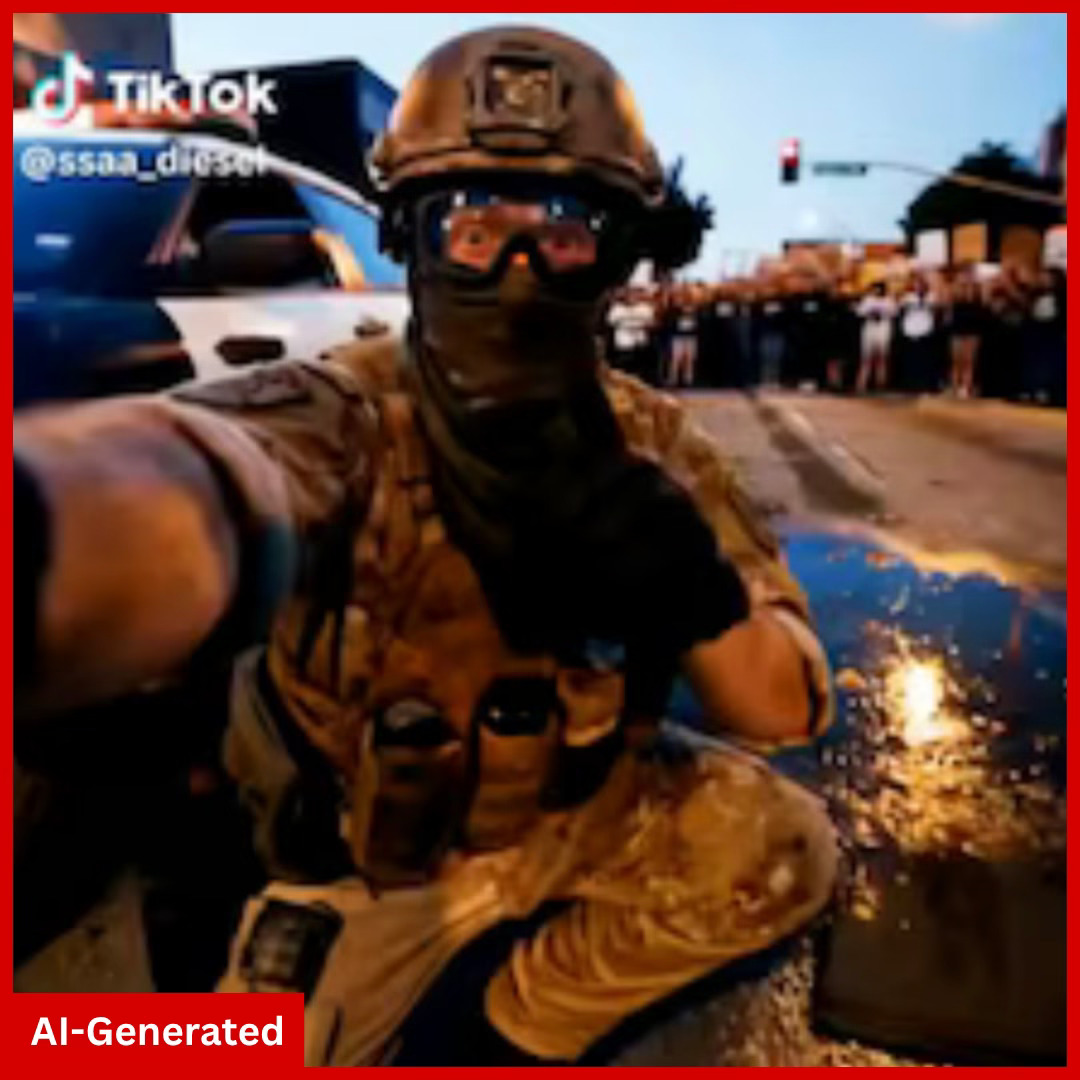
Governments use AI narratives to boost their image or discredit rivals. During the LA ICE protests, pro-Trump groups circulated AI-generated images of looting and chaos. The goal wasn’t accuracy. It was to stir fear, confirm biases, and make deportation raids seem like a rational response.
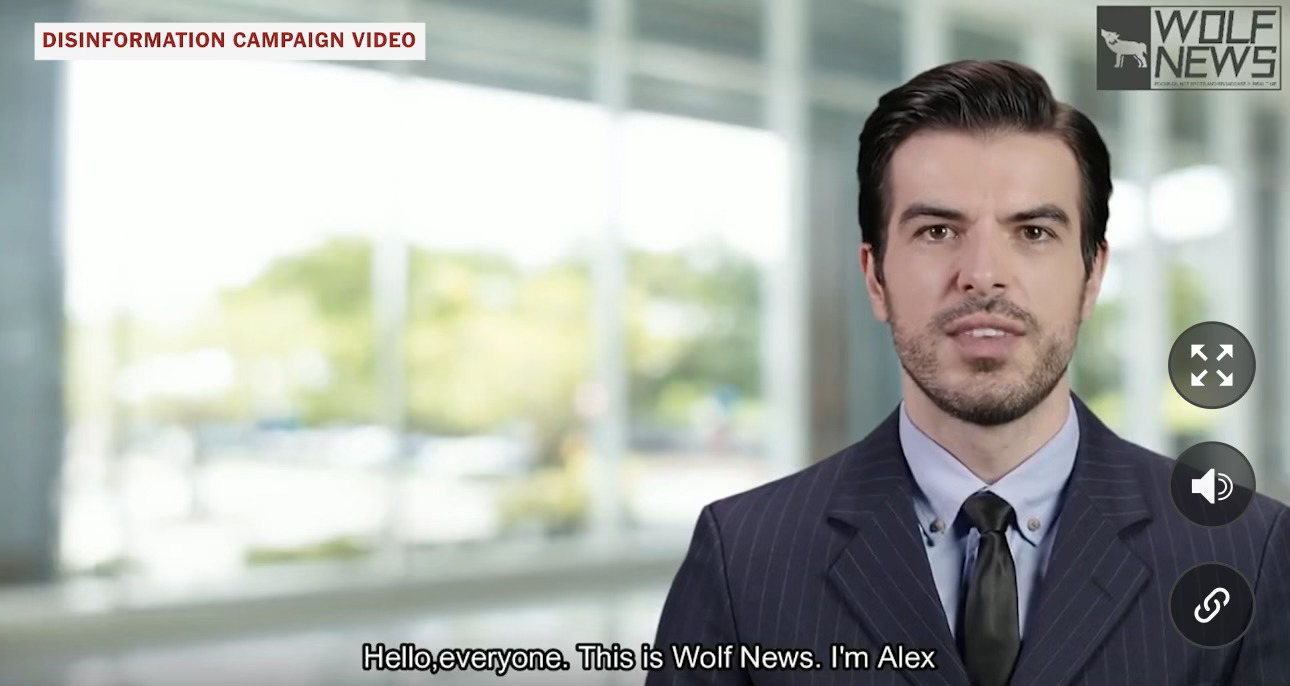
Foreign adversaries do it to destabilize. Russia, China, Iran — they’ve all deployed fake videos and deepfake news anchors to flood the internet with false stories designed to divide us.
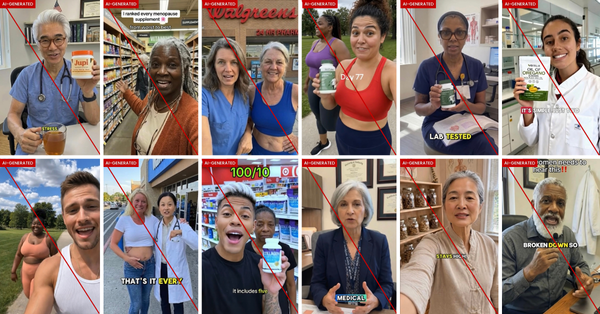
Conspiracy theorists and grifters use AI content to go viral, gain followers, sell products. The outrage economy is thriving, and AI is the engine.
Even mainstream content creators and media outlets sometimes play along. If the narrative drives engagement, someone’s making money.
The Real Danger
We’re not just talking about fake photos anymore. We’re talking about an entire information ecosystem being rewritten in real time.
AI-generated content floods the zone. It fills search results, dominates hashtags, and overwhelms moderators. Fact-checkers can’t keep up. And even when they do, the lie has usually spread further.
And it’s not just about fabricating new lies. AI hijacks real suffering — turning genuine pain and real events into propaganda that confirms your biases. That’s why people said the fake Hurricane Helene photo "still felt true." AI narratives don’t replace reality. They remix it.
Meanwhile, there are no regulations requiring anyone to disclose when content is AI-generated. Governments, corporations, political groups, and influencers can deploy these tools without oversight. Social media platforms aren’t required to label AI content either. So when you see something that looks real, there’s no law saying it has to be.
And if Trump’s "One Big Beautiful Bill" passes the Senate, it’ll be illegal for states to pass or enforce their own AI laws for the next ten years. That locks in a decade of silence — no local protections, no regulation, no accountability — just as this technology accelerates.
Want to protect yourself? Watch for unnatural hands, warped text, weird lighting, or eyes that don’t align. When in doubt, reverse image search — or just pause before you share.
What Happens When Truth Becomes Optional?
When people know content can be fake, they start doubting everything. That’s called the liar’s dividend. Real images, real videos, real stories can all be waved off as AI fakes, even when they’re genuine.
This doesn’t just confuse people. It corrodes trust. In journalism. In institutions. In elections. In each other.
And that’s the point.
This isn’t just about confusion. It’s about power. If no one trusts what they see, the loudest, angriest voice wins — not the truest one. That’s how democracy dies in the age of AI.
AI-curated narratives don’t have to convince you of a lie. They just have to make you doubt what’s real.
Don’t Look Away
The AI era isn’t coming. It’s here. And it’s already rewriting how public opinion is shaped, how stories spread, and how power is protected.
When a fake photo of a hurricane victim can shape national outrage before the facts are known, you’re not dealing with a glitch.
You’re dealing with a system that knows exactly what it’s doing.
Don’t let a machine decide what you believe. Question it — before it’s all you see.
If you found this useful, make sure to read Part 1 of the Narrative Control and Propaganda series: How AI Is Rewriting Reality in Real Time. It lays the groundwork for understanding how this machinery was built — and why it's working so effectively.