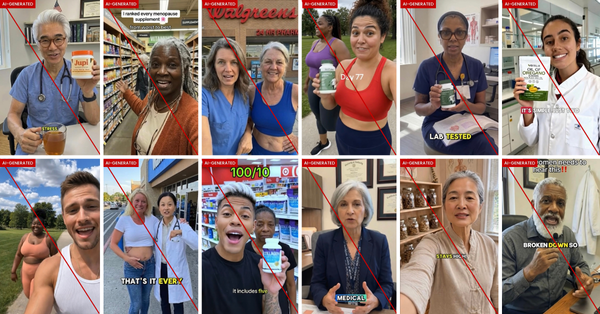
What If Everything You Just Watched Was Fake?
Deepfakes. Synthetic influencers. Algorithmic feeds. AI isn’t just changing media—it’s manipulating what we see, what we trust, and how we think.
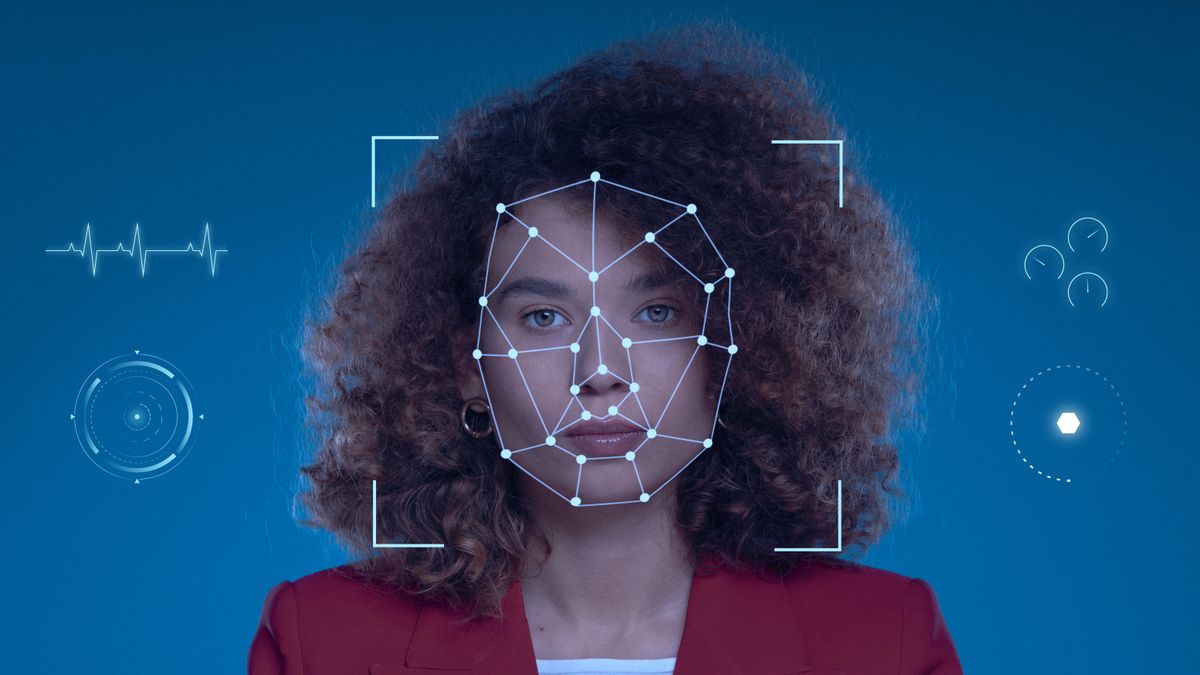
Seeing Is No Longer Believing
We used to trust what we could see. Photographs, video clips, and livestreams were treated as proof. But today, that trust is collapsing.
Artificial intelligence has made it easy, and profitable, to generate hyper-realistic images, clone voices, synthesize video, and create fake personas that pass for real people. Politicians, brands, celebrities, and anonymous accounts are all tapping into these tools.
This isn’t a future threat. It’s already happening.
And most people don’t know just how much of what they’re seeing is synthetic.
Deepfakes Aren’t Just a Tech Demo
What began as a hobbyist experiment has turned into a weaponized tool of mass deception.
Deepfake videos—AI-generated videos that mimic real people—are now used to:
- Alter political speeches
- Fabricate compromising footage of public figures
- Seed viral clips that mislead, distract, or incite outrage
The technology is advancing fast. The barriers to entry are low. And crucially—there are almost no regulations in place.
Today, most deepfakes, synthetic influencers, and chatbot accounts are not labeled. Platforms are under no legal obligation to disclose what’s AI-generated and what’s authentic. That’s not by accident—it’s because regulation hasn’t caught up.
The result? Millions of people engage with fake content every day without knowing it.
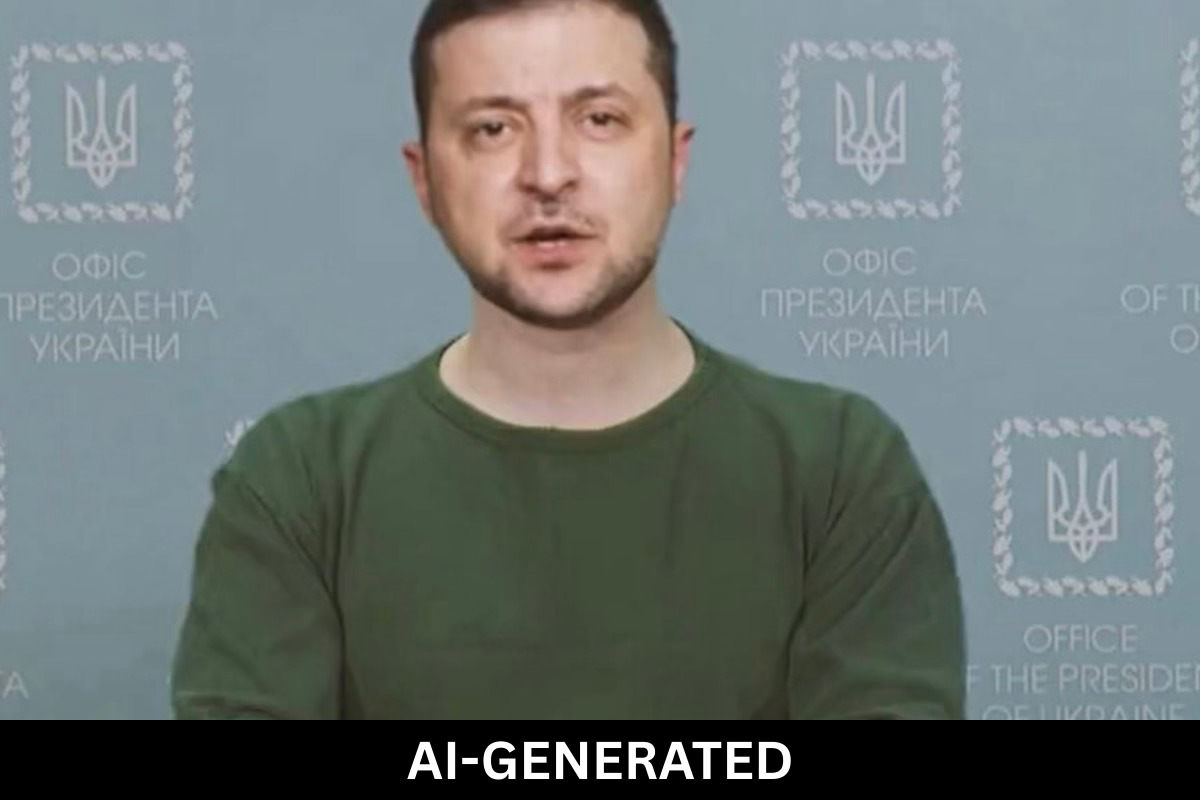
Real-World Example: The Zelenskyy Deepfake
In 2022, a deepfake video of Ukrainian President Volodymyr Zelenskyy appeared online, urging Ukrainian soldiers to surrender to Russia. The clip looked real at a glance—until closer inspection revealed glitches in facial movements and mismatched audio.
The video was widely shared before being debunked—but not before causing real confusion during a war.
This is what weaponized AI looks like. A synthetic video, strategically deployed to undermine public morale and distort geopolitical truth.
And it came with zero warnings, labels, or accountability.
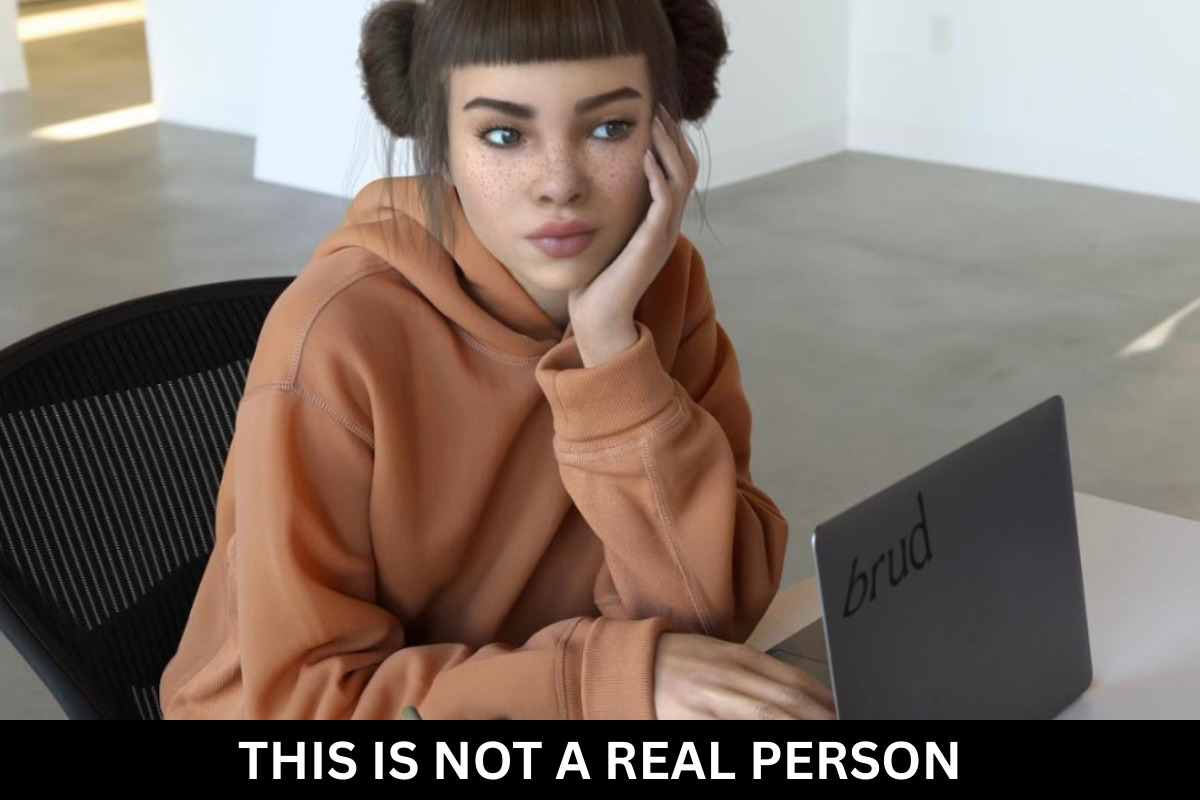
Synthetic Influencers Are Selling You a Lie
They look real. They act human. They post behind-the-scenes selfies, promote products, and weigh in on trending topics.
But they aren’t real.
Virtual influencers, including those that are AI generated, are gaining massive followings—and major brand deals. Some are created by marketing teams. Others are powered by generative models. And yet all of them trade on the illusion of authenticity.
What they’re selling isn’t just skincare or fashion. They’re selling trust.
And they’re not required to tell you they’re fake.
Your Feed Isn’t Neutral
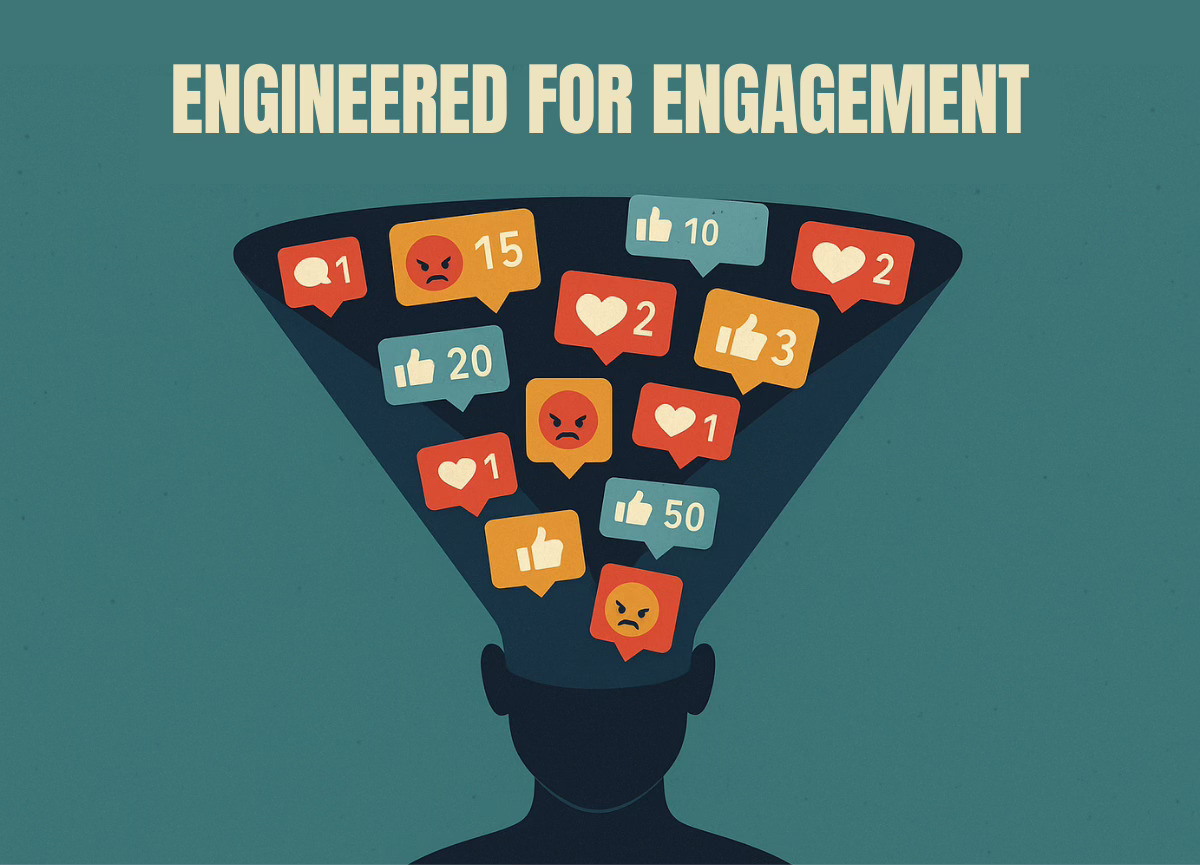
Every time you scroll, an algorithm decides what you see. But it’s not showing you what’s most accurate. It’s showing you what’s most engaging.
That means:
- Outrage beats nuance
- Emotion beats context
- Familiarity beats truth
AI-driven algorithms are optimized to keep you clicking, scrolling, and reacting. The goal isn’t to inform—it’s to capture and hold your attention for as long as possible.
In doing so, they shape a version of reality that may have nothing to do with what’s real.
The Attention Economy Drives It All
Why is this happening?
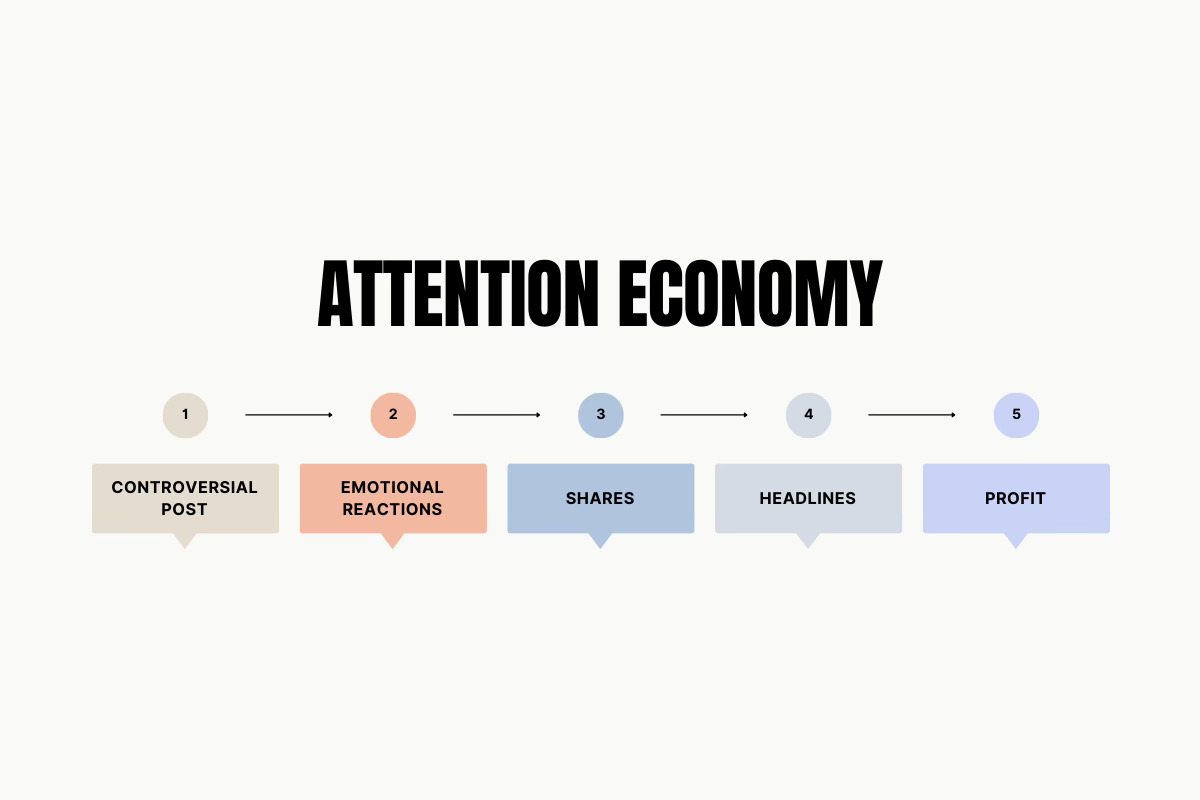
Because attention is profitable.
- Platforms monetize your time
- Brands monetize your trust
- Political actors monetize your fear and belief
AI tools supercharge this dynamic. They make it faster, cheaper, and easier to manufacture content that captures attention—no matter how false or manipulative it is.
And because algorithms reward what gets engagement, the most sensational and misleading content rises to the top.
Why It Matters
This isn’t just about tech. It’s about power—and the erosion of shared reality.
- Viral deepfakes influence public opinion
- AI influencers shape cultural trends
- Algorithmic feeds amplify falsehoods
When nothing can be verified and everything can be faked, the very concept of truth is at risk.
That’s not just a media crisis. It’s a societal one.
What You Can Do
We need to get smarter—fast.
- Learn how to spot AI-generated content
- Question what seems “too perfect” or emotionally charged
- Push for transparency and regulation
- Demand accountability from the platforms profiting from this chaos
Because in the Attention Economy, speed beats accuracy—and bots flood the feed.
This week, I’m breaking this all down across social media with bite-sized explainers, tools, and examples to help you stay sharp.
Read. Share. Stay skeptical. And follow for more.
Start with this post—and let’s rebuild media literacy, together.