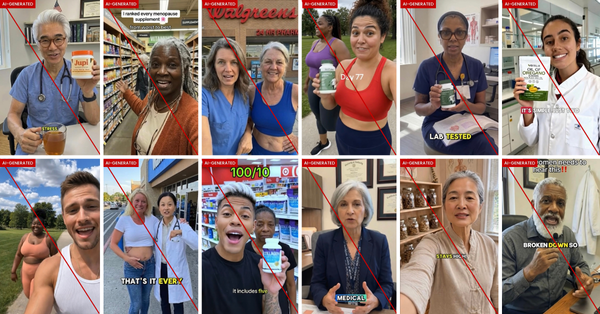
When AI Becomes the Lie Detector
How a fake Epstein image got 1.6M views by claiming AI verification
You’ve probably noticed how fact-checking works online. Someone shares something suspicious. Others ask for proof. The person responds with ‘I verified it’ or points to a source. The conversation moves forward based on whether people find that verification credible.
That system just broke in a new way.
On February 1, 2026, conspiracy theorist Alex Jones posted a fabricated image to X (formerly Twitter). The image supposedly showed New York City Mayor Zohran Mamdani as a child alongside sex offender Jeffrey Epstein, former U.S. President Bill Clinton, Bill Gates, Jeff Bezos, and Ghislaine Maxwell. The photo reached 1.6 million people. Jones didn’t just claim the image was real. He said X’s AI chatbot Grok had verified it.
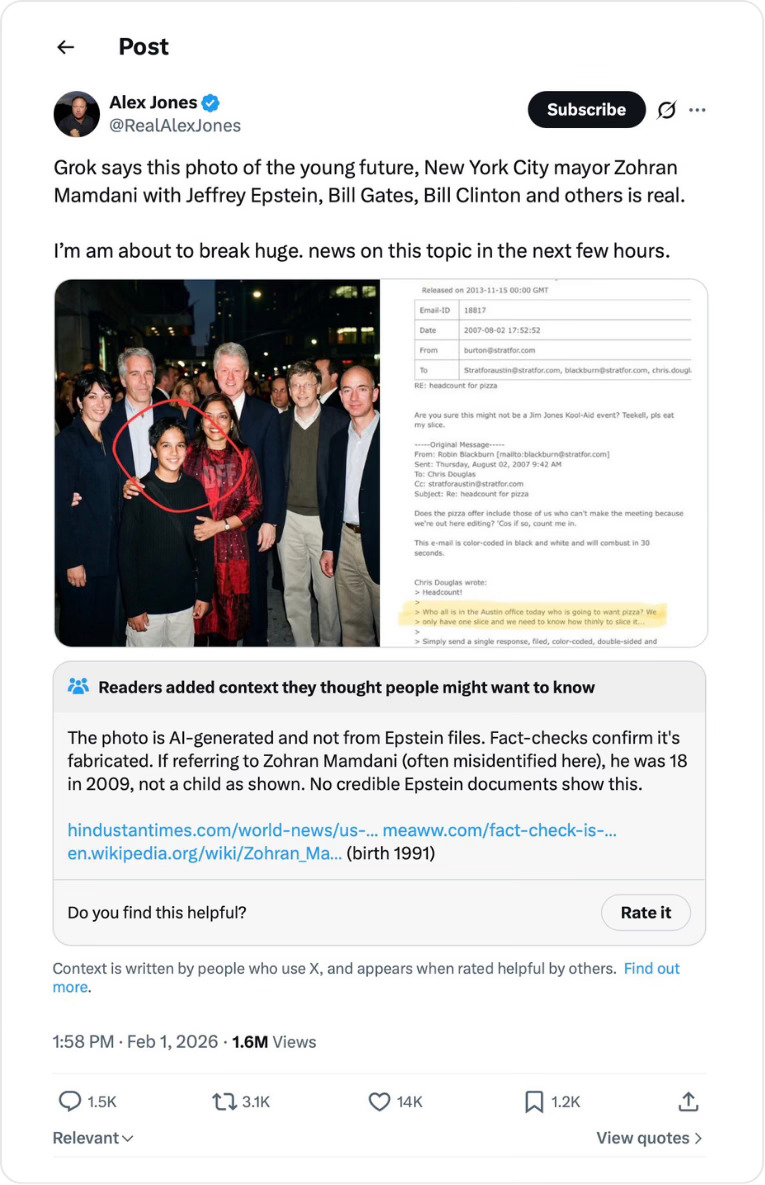
The image was AI-generated. Google Gemini identified a SynthID watermark, concluding that most or all of the image was “edited or generated using Google AI.” But by the time these fact-checks circulated, millions had already seen Jones’s post with its AI verification claim.
This case teaches us something specific about how disinformation is evolving. The pattern matters more than this single image.
The Old Playbook
Disinformation used to rely on vague authority. People would cite ‘anonymous sources,’ reference ‘leaked documents,’ or claim ‘insider knowledge.’ These tactics worked because they were hard to disprove immediately. By the time anyone could check, the story had spread.
Those methods still work, but they have a weakness. People have learned to be somewhat skeptical of anonymous sources. We’ve developed antibodies to ‘trust me’ claims from strangers online.
The New Method
The Mamdani case shows a different approach. Instead of claiming human authority, Jones pointed to an AI system. For many people, that carries different weight. AI feels technical. It feels objective. It feels like it’s doing actual analysis rather than making claims.
This works because most people don’t know how AI chatbots actually function. They don’t know that:
- Chatbots don’t independently verify truth. They generate plausible-sounding responses based on patterns in their training data.
- AI systems can hallucinate. They can confidently state false information.
- Platform-owned AI tools aren’t neutral arbiters. They’re products with their own limitations and biases.
When someone says ‘AI verified this,’ they’re not describing a forensic process. They’re describing a conversation with software that generates text. But the phrase ‘AI says it’s real’ functions as credibility laundering. It transforms synthetic content into something that sounds vetted and objective.
Why It Worked
The fabricated image didn’t spread in isolation. Mamdani’s mother, filmmaker Mira Nair, had been mentioned in newly released Epstein-related documents. The mention involved attendance at an after-party. No wrongdoing was alleged. No photographic evidence existed.
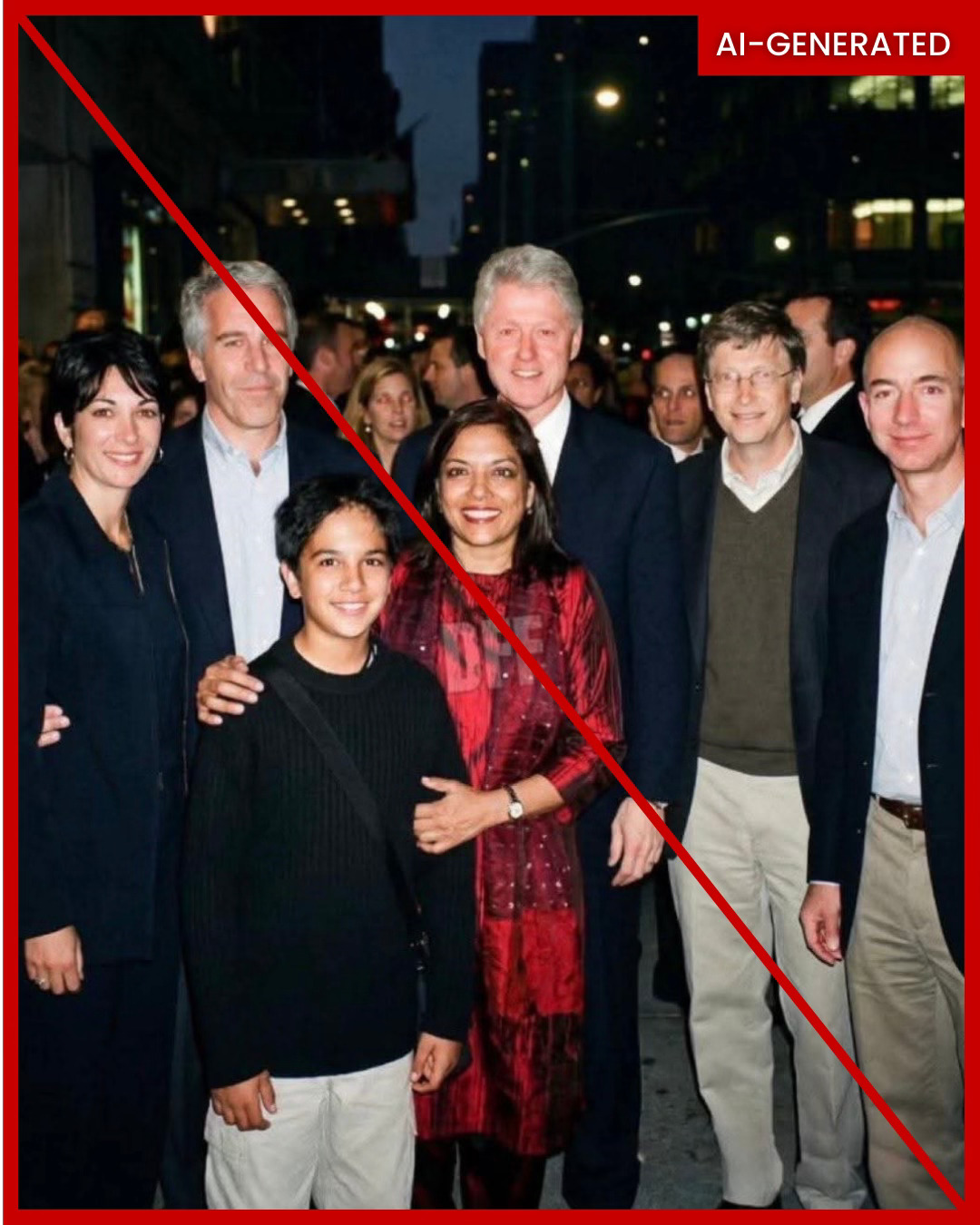
But that small factual detail provided just enough context for the fake image to feel plausible. The pattern is consistent: find a real name or document mention, create or find a synthetic visual, then use that visual to suggest relationships or events that never occurred.
The image doesn’t need to be true. It needs to feel adjacent to something real. That proximity is enough to overcome initial skepticism, especially when combined with an AI verification claim.
The Evidence Problem
Multiple red flags existed from the start. The image showed composition patterns typical of AI-generated celebrity collages. The supposed age of Mamdani in the photo didn’t align with any plausible timeline. No event record, photographer credit, or original source could be found.
These indicators matter for people trying to evaluate information themselves. But they require time and attention. The image spread through speed and emotional impact. The corrections came later and traveled less far.
Community Notes eventually added context. Fact-checkers published analyses. But these interventions happened after the image had reached 1.6 million viewers. This timing gap is structural, not accidental. Disinformation benefits from early exposure. Corrections arrive when fewer people are paying attention.
What You Can Do
The goal isn’t to become an AI detection expert. The goal is to recognize the pattern of how AI verification claims function in disinformation.
When you see someone claim an AI system verified an image or piece of information, ask:
- What exactly did the AI do? Did it analyze metadata, run detection software, or just generate a response to a prompt?
- Can I trace the original source? Does the image have a photographer, event record, or publication history?
- Does the timeline make sense? Do the claimed ages, dates, or locations align with verifiable facts?
- Who benefits from this information spreading? What narrative does it support?
These questions don’t require technical expertise. They require pausing before sharing and thinking about what you’re actually looking at.
The Larger Pattern
This case isn’t notable because a fake image spread. That happens constantly. It’s notable because it shows how AI is being repurposed from a creation tool into a credibility tool.
Bad actors are learning they don’t need to claim secret sources anymore. They can point to AI systems that are becoming integrated into the platforms we use daily. For people who haven’t learned how these tools actually work, an AI verification claim can override normal skepticism. This tactic thrives because the infrastructure supports it.
The platforms hosting this content face no liability for synthetic media spreading through their systems. There are currently no regulations governing AI-generated images or requiring disclosure. The companies are based on a business model that profits from engagement regardless of whether that engagement comes from real or fabricated content.
This creates a specific danger. AI isn’t just generating fake images anymore. It’s being cited as the verifier. When someone invokes AI authority, they’re not just spreading misinformation. They’re attempting to neutralize the fact-checking process before it can begin.
The people using this tactic are counting on most of us not understanding how AI chatbots actually work. They’re betting that “AI verified it” will sound authoritative enough to stop questions before they start. Whether that bet pays off depends on how many people learn to recognize the pattern.
For clear, evidence-based analysis of how AI and media are reshaping politics and reality, subscribe here.