When Influence Replaces Expertise
Inside the weighted-vest trend and the illusion of authenticity driving it.
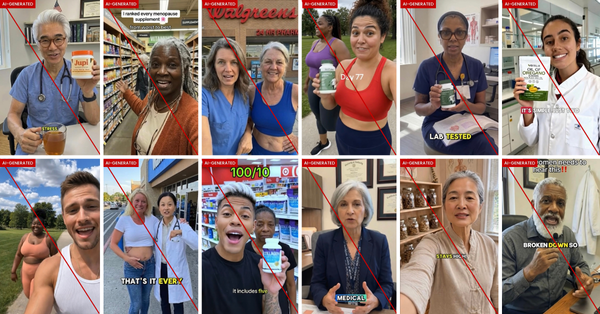
We’ve quietly entered an age where fictional people sell you real products. The influencer telling you that weighted vests changed her life might be an algorithm with a face. And the companies selling them are counting on the fact that you won’t notice — or won’t care.
This isn’t speculation. It’s already happening at scale across TikTok, Instagram, and YouTube. People now trust influencer recommendations over scientific evidence. Expertise used to come from research and credentials. Now it comes from personalities who look relatable — even when their content is edited, filtered, or entirely synthetic. The weighted-vest boom is the perfect case study for this new reality.
The Hype vs. The Evidence
For months, fitness creators have flooded social media with weighted vests from brands like Aion, Omorpho, and Rukstr. The claims are sweeping: rapid weight loss, stronger bones, better posture, increased endurance. Most posts include affiliate links or paid partnerships. Some influencers specifically target midlife women, promoting vests as a way to maintain bone and muscle strength during perimenopause and menopause — a vulnerable time when bone density naturally declines.
The marketing is working. Market research shows surging demand, with the global weighted-vest market projected to reach $313 million by 2031.
The science tells a different story.
Yes, adding weight makes your body work harder. But researchers describe the benefits as modest — not life-changing. NPR’s fact-check of the trend confirms this. On the specific promises:
Weight loss: Influencers showcase dramatic transformations. Studies show small or negligible effects.
Bone density: Heavily marketed to middle-aged women, but the Bone Health & Osteoporosis Foundation says evidence is inconclusive and doesn’t recommend vests for bone health.
Endurance and calorie burn: Real, but incremental — not the dramatic before-and-afters you’ll see online.
Joint stress: Orthopedic specialists consistently warn that excess load can injure knees, hips, and ankles if misused.
The consensus among experts: minimal benefit, real risks, relentless marketing.
The AI Problem
Here’s where it gets stranger. Many of the top accounts promoting weighted vests — including Ashley Will, Paige Hathaway, and Chris Freytag — post images with clear signs of AI generation. Distorted backgrounds, fabric stitching that vanishes, and zipper pulls without actual zippers. These are textbook AI artifacts.
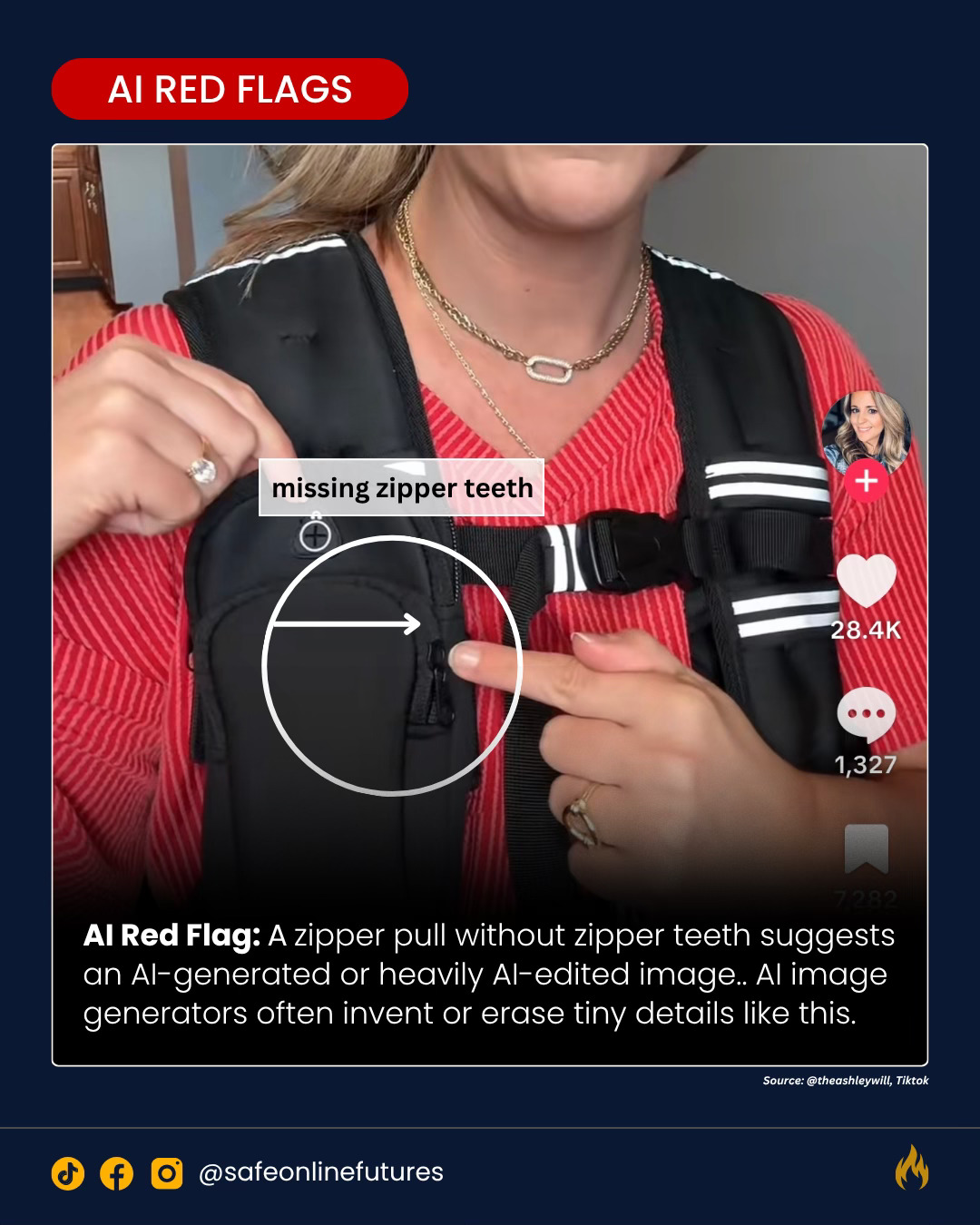
This creates a darker possibility: if these are synthetic personas, they’ve never worn the products they’re paid to promote. They don’t have bodies. They don’t have experience. They’re avatars selling you a product.
The uncomfortable questions follow. If these accounts are AI-generated, who’s running them? Brands? Agencies? Automated affiliate networks? And if they’re real people posting AI-edited content, why aren’t they disclosing it? Are they chasing the perfect image? Maximizing engagement? Quietly normalizing fake content as authentic so they can drive sales?
Why This Matters
Whether the influencer is real or synthetic, the outcome is identical: audiences are learning to equate polish with truth. The algorithm prioritizes virality over accuracy. It doesn’t punish false claims — it just amplifies whatever keeps you watching.
Brands have discovered that influencers, whether human or AI, build trust far more efficiently than experts ever could. In this marketplace:
- Influencer enthusiasm beats scientific nuance
- Sleek presentation beats honest testimony
- Sales momentum beats consumer protection
Weighted vests are just one product in this wider economy of persuasion. Next month, it will likely be supplements, skincare products, mental health apps, or investment schemes. The mechanism stays the same: influencer + hype + algorithm + commission = your attention and money.
What This Reveals
The weighted-vest trend reveals a crucial aspect of 2025: we’ve entered an era where influence has replaced expertise as the primary driver of consumer belief. Authenticity — once the entire promise of social media — has become the thing that’s easiest to fake.
If the person selling you the vest is an AI, you’re being marketed to by a fictional influencer. If they’re real but using AI to sell “authenticity,” you’re being misled more insidiously. Either scenario means the same thing: trust what you see at your own risk.
The vests themselves might offer marginal fitness benefits. But they’re far less important than the system that sold them to you — and what that system says about how we now decide what’s real.