When Newsrooms Accidentally Launder Synthetic Images
How an AI-altered Alex Pretti image slipped into MS NOW coverage
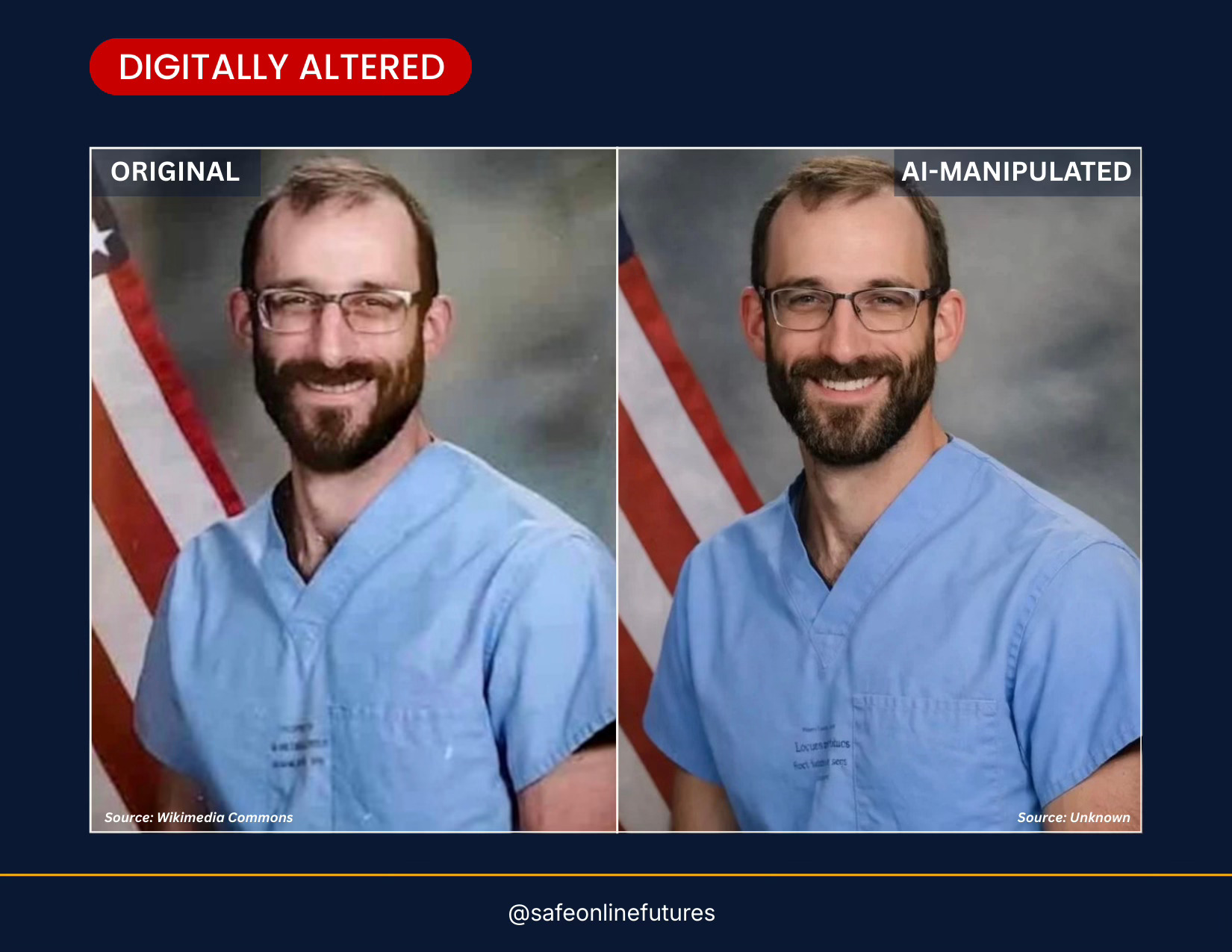
In the chaotic aftermath of the killing of 37-year-old ICU nurse Alex Pretti by U.S. federal agents in Minneapolis, something unusual happened on one of the country’s most watched cable news programs. During the January 26 episode of Deadline: White House, MS NOW broadcast an image of Pretti that had been digitally altered — brightened, its saturation boosted, facial features and angles subtly reshaped to make him appear more conventionally attractive.
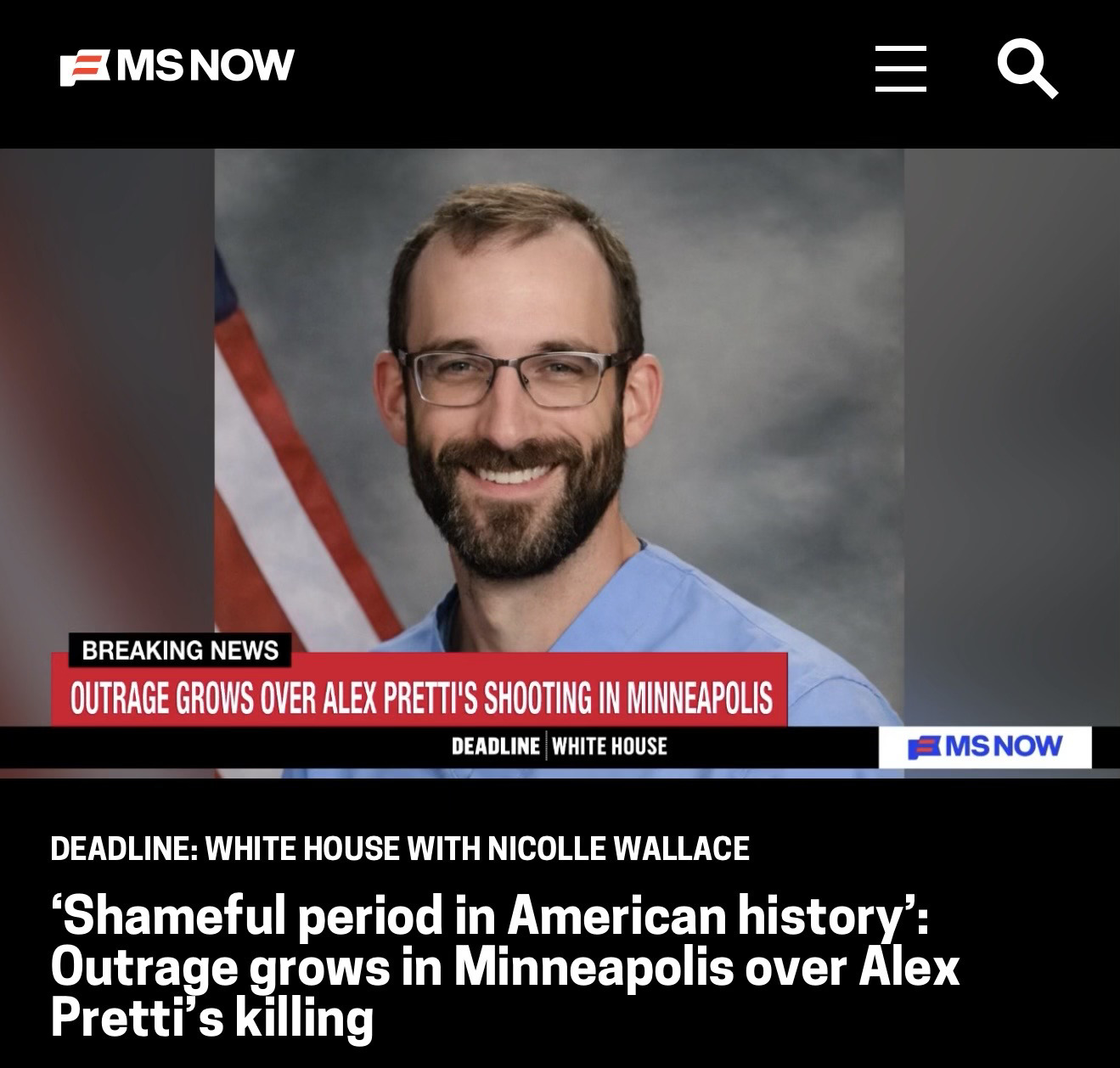
The network later added an editor’s note to the YouTube video acknowledging they had used an “AI-enhanced image of Alex Pretti.” A spokesperson for its parent company Versant Media Group said the network obtained the image from the internet without the knowledge someone had altered it, and said the network itself didn't enhance the photo. The altered image has since been removed from YouTube, though it remains in the original broadcast on MS NOW’s website — a digital shell game that makes verification harder even as it gestures toward transparency.
This incident reveals how synthetic or AI-enhanced visuals can slip into institutional workflows unvetted, gain legitimacy through airtime, and shape public perception — even when no outlet is trying to mislead. It wasn’t a scandal. It was a stress test that exposed a quiet failure: institutional laundering of AI-altered visuals through trusted systems never built to detect them.
Not a Conspiracy — A Structural Problem
There’s no evidence MS NOW generated the altered photo or manipulated it on purpose. That distinction matters — because focusing on intent obscures the real risk. AI-assisted images don’t need malicious actors to cause harm; they only need to look plausible enough to pass unquestioned through systems built on trust.
The YouTube scrubbing is a case in point — corrections that obscure their own evidence make accountability theater out of transparency.
Once the image aired, it took on institutional weight. It circulated online, lived in algorithmic memory, and became part of the narrative around Pretti’s death — even after the correction. This is visual laundering: institutional credibility washes away visual uncertainty. The image doesn’t need to be fully AI-generated or obviously fake. It only needs to be unexamined when it enters the trust pipeline.
Why Verification Systems Failed
Newsrooms face relentless pressure to be first. In the attention economy, speed equals engagement equals revenue. But speed and skepticism rarely coexist. Modern newsrooms are optimized for velocity, not pixel-level forensics. Visuals arrive through press feeds, third-party sources, and social platforms that assume baseline authenticity — an assumption that used to be safe but isn’t anymore.
Most verification systems were built for a different era. They check: Who sourced this? Is it traditionally altered? Does it violate ethics guidelines? They don’t catch AI-assisted retouching, synthetic composites, model-generated details embedded in real images, or plausibility errors that don’t trigger obvious red flags. AI doesn’t leave fingerprints the way Photoshop once did — it predicts pixels that look reasonable enough, especially at broadcast resolution and pace. That’s the gap.
Why Acknowledgment Isn’t Enough
MS NOW’s editor’s note was necessary, but it doesn’t address the structural gap that allowed the image to air in the first place. Once a misleading visual is broadcast, its effects don’t vanish with a correction. The image had already been aired, absorbed, and legitimized by institutional context.

And in this case, the image wasn’t just any visual — it was the face of a man who had just been killed, transformed without consent into something more palatable for mass consumption. That should matter.
Humans don’t experience corrections with the same immediacy they experience images — first impressions harden quickly, and visuals don’t wait for follow-ups. Correction mechanisms lag behind AI-accelerated image production, and in an attention economy that privileges speed over scrutiny, that gap will only widen.
The Larger Pattern
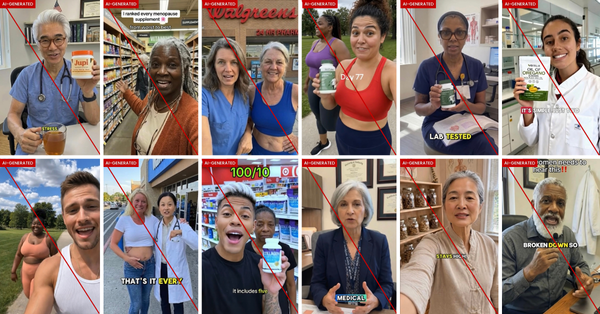
This incident isn’t unique — it’s emblematic. Across media, advertising, politics, and influencer culture, AI-assisted visuals slip through systems built on outdated trust signals. The result isn’t mass deception but something more insidious: erosion of visual standards, normalization of uncertainty, and gradual decay of public trust.
When trusted institutions can’t reliably distinguish between real, altered, and synthetic visuals — and don’t disclose that ambiguity — audiences are left navigating a reality where seeing no longer guarantees believing.
The Takeaway
The question isn’t whether newsrooms will make mistakes in an AI-saturated environment. They will. The real question is whether institutions will adapt their verification standards, disclosure norms, and visual literacy practices fast enough to preserve trust — or whether credibility will continue to be weaponized as a laundering mechanism for synthetic media.
In this era, the most consequential failures aren’t loud or malicious. They’re routine, procedural, and they happen in plain sight.
Subscribe for clear, evidence-based analysis of how AI is reshaping visual proof, media trust, and public perception.